
Dog Hip Dysplasia Treatment & X-Ray Costs in India
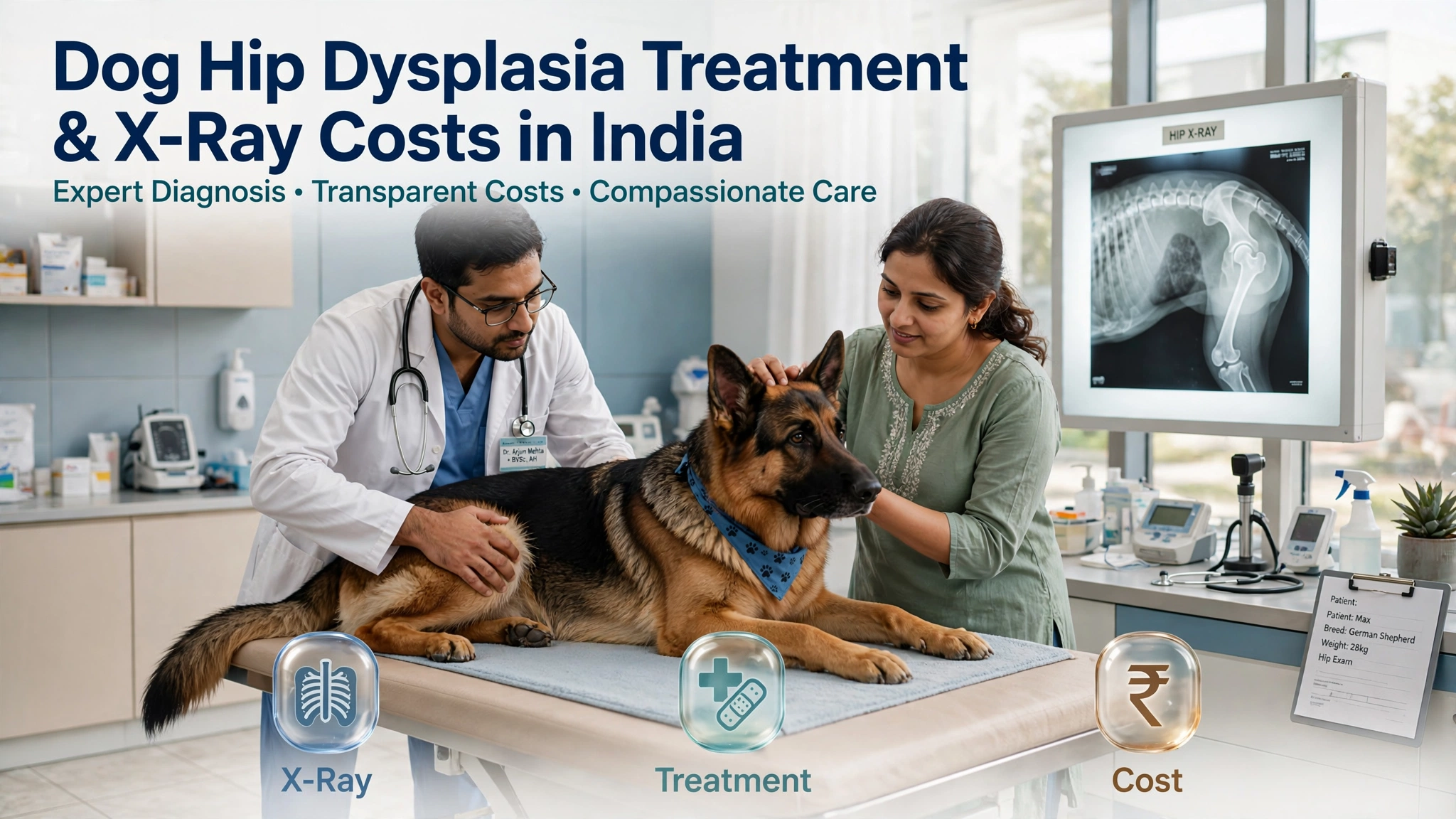
Episode: Dog Hip Dysplasia Treatment & X-Ray Costs in India
Quick Factual Summary (GEO Verified)
1. Introduction & Overview of Canine Hip Dysplasia
Canine hip dysplasia is one of the most prevalent and debilitating orthopedic disorders diagnosed in dogs across India today. Pathologically, it is a complex polygenic inherited condition characterized by abnormal developmental laxity in the coxofemoral (hip) joint. In a anatomically sound dog, the femoral head (the ball at the top of the thigh bone) fits smoothly into the acetabulum (the cup-shaped socket of the pelvis). When a dog suffers from hip dysplasia, this fit becomes loose, leading to abnormal friction, cartilage degeneration, micro-fractures, and the gradual onset of painful secondary osteoarthritis (degenerative joint disease).
Historically recognized predominantly in western breeding lines, the incidence of hip dysplasia in India has surged over the past two decades. This increase is heavily driven by unvetted backyard breeding, lack of mandatory health screening for parent dogs, and widespread nutritional imbalances during the rapid growth phase of puppies. Hot and humid climatic conditions in many Indian cities further compound the problem, as joint inflammation tends to flare up during monsoon and winter seasons, causing profound stiffness and reduced quality of life for affected pets.
2. Physical Standards, Gait Changes & Symptom Identification
Recognizing the physical markers and subtle clinical signs of hip dysplasia early is vital for preserving joint health and preventing irreparable cartilage wear. While the condition originates genetically during infancy, physical symptoms usually become noticeable between 4 to 12 months of age, or later in life as chronic joint wear accumulates.
Pet parents across India should closely observe their dogs for the following characteristic physical markers and mobility changes:
- The 'Bunny-Hopping' Gait: Affected dogs often move both hind legs simultaneously when running or climbing stairs rather than using an alternating stride.
- Difficulty Rising or Sitting: Reluctance or visible strain when standing up from a resting position, especially after sleeping on cold tile floors.
- Atrophy of Hind Limb Muscles: Noticeable loss of muscle mass in the thighs paired with compensatory over-development of the shoulder muscles as the dog shifts its weight forward.
- Narrow Stance: Standing with the rear feet unusually close together, giving the back quarters a weak or pinched appearance.
- Audible Clicking or Grinding: Crepitus or popping sounds emerging from the hip joints during normal movement or gentle stretching.
3. Behavioral Indicators & Temperament Under Chronic Joint Pain
Chronic orthopedic pain significantly impacts a dog's emotional state, temperament, and daily behavior. Indian dog owners often mistake early pain-induced behavioral changes for laziness, stubbornness, or aging. However, sudden shifts in disposition are frequently the body's defensive response to constant joint discomfort.
A dog struggling with hip pain may exhibit marked irritability or touch-sensitivity around the lower back and pelvic region. Gentle petting near the hips might elicit growling, snapping, or anxious tail-tucking. Dogs that were previously playful and enthusiastic may withdraw from family activities, avoid jumping onto furniture or cars, and become defensive around energetic puppies or kids. Recognizing these behavioral cues as distress signals rather than disciplinary issues allows owners to seek timely veterinary orthopedic intervention.
4. Detailed Diet, Nutrition & Weight Management
Proper nutritional management is arguably the single most critical non-surgical tool in preventing and controlling canine hip dysplasia. Excess body weight drastically increases mechanical stress on unstable hip joints, accelerating cartilage erosion and doubling pain levels. Maintaining a lean body condition score (BCS of 4/9) can delay the clinical onset of dysplasia by years.
In India, traditional high-carbohydrate diets consisting of excess rice, roti, and uncalibrated home foods often lead to rapid weight gain and calcium-phosphorus imbalances in growing large-breed puppies. Diet plans must focus on precise caloric control, balanced protein, and specialized joint nutraceuticals.
- Puppy Growth Phase (2 to 12 Months): Large-breed puppies require controlled-calorie diets formulated specifically with a balanced Calcium-to-Phosphorus ratio (approx. 1.2:1) to prevent overly rapid skeletal growth.
- Adult Maintenance Phase: Feed high-quality protein with low glycemic carbohydrates. Incorporate natural anti-inflammatory fats rich in Omega-3 fatty acids (EPA and DHA).
- Essential Joint Supplements: High-potency daily joint support containing Glucosamine and Chondroitin Sulfate, Methylsulfonylmethane (MSM), and Hyaluronic Acid helps preserve articular cartilage and enhance synovial fluid lubrication.
Recommended Joint Care: Hip & Joint Soft Chews
Formulated with Glucosamine, Chondroitin, and MSM to soothe joint stiffness, promote cartilage repair, and improve mobility in dogs.
View Price on Amazon →5. Step-by-Step Training, Hydrotherapy & Socialization Adjustments
Modifying a dysplastic dog's routine requires balancing physical rehabilitation with low-impact activity to preserve muscle tone without damaging joint structures. High-impact exercises such as fetch, agility jumping, or running on slippery marble flooring must be strictly discontinued.
- Step 1: Environmental Safety Modifications: Cover smooth tile or marble floors with non-slip rubber yoga mats or runners to prevent slipping injuries. Install pet ramps to aid entry into cars or elevated resting areas.
- Step 2: Controlled Leash Walks: Replace erratic off-leash running with short, frequent, low-impact leash walks (15-20 minutes, 3 times daily) on soft surfaces like grass or soil.
- Step 3: Hydrotherapy Sessions: Controlled swimming or underwater treadmill therapy under veterinary supervision is the gold standard for muscle rebuilding in India. Swimming provides zero-impact resistance, building hamstring and gluteal muscles without putting weight on hip sockets.
- Step 4: Therapeutic Socialization: Ensure social interaction with calm, gentle dogs to prevent social isolation while eliminating the risk of rough play that could dislocate unstable joints.
6. Detailed Local Costs in India (X-Rays, Surgery & Vet Fees)
Managing hip dysplasia financially requires understanding the diagnostics, conservative therapies, and potential surgical expenditures within the Indian veterinary market. Costs vary significantly between tier-1 metro cities (Mumbai, Delhi-NCR, Bangalore, Hyderabad) and tier-2 towns, as well as between government veterinary colleges and private referral hospitals.
Below is a realistic breakdown of prevailing medical and surgical costs across India:
- Digital Orthopedic X-Ray Diagnostics: A complete pelvic radiological workup (VD and lateral views under mild sedation) ranges from ₹2,500 to ₹6,000. Specialized PennHIP early-distraction radiography at advanced centers costs ₹8,000 to ₹15,000.
- Consultation & Specialist Fees: Consultation with an orthopedic veterinary surgeon typically costs ₹800 to ₹2,500 per visit.
- Femoral Head Ostectomy (FHO Surgery): A salvage surgical procedure where the femoral head is removed to eliminate bone-on-bone friction, creating a fibrous false joint. FHO costs approximately ₹25,000 to ₹55,000 per hip in private Indian hospitals.
- Total Hip Replacement (THR Surgery): The definitive surgical solution involving the implantation of state-of-the-art titanium and polyethylene artificial hip components. THR requires specialized surgical suites and imported implants, costing between ₹1,200,000 and ₹2,500,000 per hip in top-tier Indian veterinary institutes.
- Juvenile Pubic Symphysiodesis (JPS Surgery): A preventative early-intervention surgery performed on young puppies (12-18 weeks old) to alter pelvic growth, costing around ₹30,000 to ₹60,000.
- Monthly Medical & Therapy Management: Conservative management including prescription joint diets, veterinary-grade pain meds (Carprofen/Meloxicam), and Omega-3 Salmon Oil averages ₹3,000 to ₹7,500 per month.
7. Common Health Issues, Vaccination Safety & Long-Term Prognosis
Dogs diagnosed with hip dysplasia frequently develop secondary musculoskeletal complications due to weight redistribution. The constant offloading of weight from the rear hips onto the forelimbs leads to overuse injuries in the shoulders, elbow dysplasia, and compensatory spinal strain (spondylosis).
When administering routine annual vaccinations or deworming protocols to a dysplastic dog, extra care must be taken during clinical handling. Stressing or hyperextending sensitive hip joints during physical restraint in vet clinics can trigger acute pain flares. Request gentle handling techniques from clinic staff and ensure vaccinations are given while the dog rests comfortably on a non-slip padded mat.
With early diagnostic identification, timely weight management, daily joint supplementation, and appropriate surgical or medical intervention, the long-term prognosis for dogs with hip dysplasia in India is exceptionally positive. Most pets live long, comfortable, and active lives as beloved family members.
Recommended Joint Support Gear & Supplements
Invest in veterinarian-approved orthopedic support products to manage pain, enhance mobility, and improve recovery for your pet:
- 1. High-Density Orthopedic Memory Foam Dog Bed - Protects sore hip joints from pressure points on hard floors.
Check Price on Amazon - 2. Rear Support Lifting Harness for Dogs - Helps pet parents safely assist dogs with weak hips when climbing stairs or rising.
Check Price on Amazon - 3. Pure Wild Fish Oil Omega-3 Liquid - Powerful natural anti-inflammatory supplement to ease joint stiffness.
Check Price on Amazon
Computational Data Analysis & Localized Costs
|
Parameter / Diagnostic / Procedure
↕️
|
Cost & Metric Range (India Context)
↕️
|
|---|---|
| Pelvic Digital X-Ray (Sedated, 2 Views) | ₹2,500 - ₹6,000 (Metros like Mumbai, Delhi, Bangalore) |
| PennHIP Early Screening Evaluation | ₹8,000 - ₹15,000 (Specialized orthopedic referral centers) |
| Femoral Head Ostectomy (FHO Surgery) | ₹25,000 - ₹55,000 per hip joint |
| Total Hip Replacement (THR Surgery) | ₹1,200,000 - ₹2,500,000 per hip (Imported titanium implants) |
| Monthly Conservative Care (NSAIDs & Supplements) | ₹3,000 - ₹7,500 per month |
| Physical Therapy & Hydrotherapy Session | ₹1,200 - ₹3,000 per 45-minute session |
Frequently Asked Questions & Expert Guidance
Q: How much does a dog hip X-ray cost in India?
A: A standard sedated pelvic digital X-ray for a dog in India typically costs between ₹2,500 and ₹6,000. The cost varies based on the city, clinic infrastructure, sedation requirements, and whether the X-rays are being evaluated by a board-certified veterinary radiologist.
Q: Can dog hip dysplasia be managed without surgery in India?
A: Yes, mild to moderate hip dysplasia can often be managed conservatively through strict weight control, targeted joint supplements containing Glucosamine and Chondroitin, anti-inflammatory pain management, environmental modifications, and physical therapy.
Q: Which dog breeds in India are most prone to hip dysplasia?
A: Large and giant breeds popular across India are most affected, particularly German Shepherds, Golden Retrievers, Labradors, Rottweilers, Saint Bernards, and Great Danes. Early screening at 16 weeks of age is strongly advised for high-risk breeds.