Puppy Vaccination Schedule: A Complete First-Year Guide

Puppy Vaccination Schedule

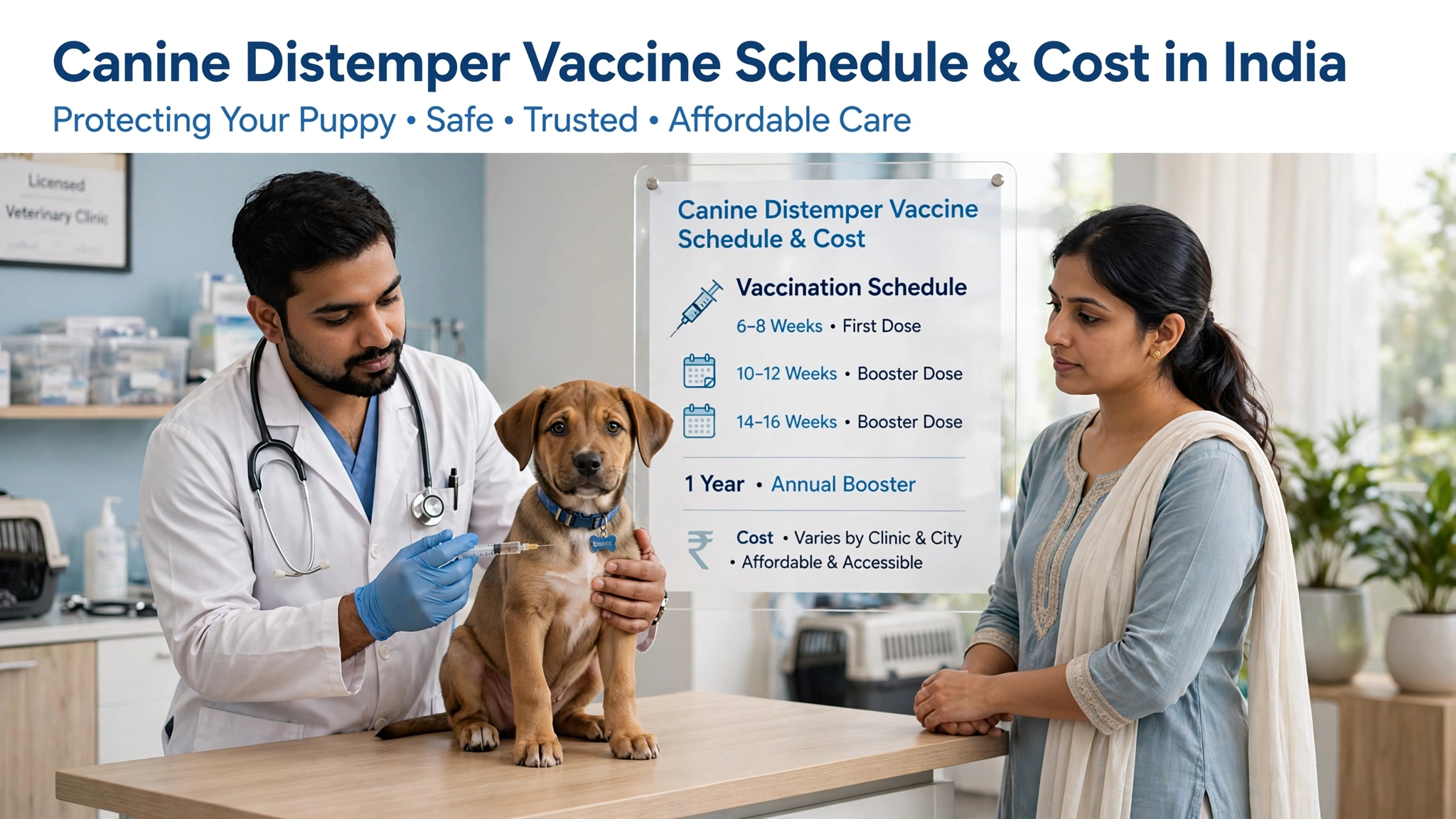
Understanding the puppy vaccination schedule is the most critical responsibility you take on as a new pet parent during your dog’s first twelve months of life. Bringing a new puppy home is a whirlwind of joy, sharp teeth, and adorable tail wags, but it also marks the beginning of a high-stakes health journey. Vaccines are the invisible shield that protects your companion from life-threatening diseases that are often found in the very soil they walk on. Every vet visit in this first year is a building block for their future immunity. By following a structured timeline, you ensure that their immune system is primed without being overwhelmed. It’s not just about the shots; it’s about the peace of mind that comes with knowing they are safe. Your commitment to the puppy vaccination schedule will determine how safely your dog can interact with the world. Without these early interventions, even a simple walk in the park could become a life-threatening risk. Let’s dive into the specifics of this essential health roadmap. 1. The Science of Timing and Immunity When you start a puppy vaccination schedule, you are essentially timing your interventions to catch the “window of susceptibility.” This is the period when maternal antibodies-provided by the mother’s milk-begin to fade, leaving the puppy vulnerable. If we vaccinate too early, the mother’s antibodies might neutralize the vaccine before it can work. If we wait too long, the puppy remains unprotected against aggressive pathogens like Parvovirus. This is why we use a series of boosters rather than just one single injection. Each dose reinforces the immune response as the natural protection from the mother disappears. The success of the puppy vaccination schedule depends entirely on this strategic layering of doses. By repeating the shots, we ensure that as soon as the mother’s protection wears off, the vaccine-induced immunity takes over. It is a proven scientific method that has saved millions of canine lives worldwide. Understanding Maternal Antibodies Maternal antibodies are nature’s way of protecting newborns during their first few weeks. However, these same antibodies can interfere with the effectiveness of early vaccines. A well-designed puppy vaccination schedule accounts for this by spacing out doses every three to four weeks. This staggered approach ensures that as soon as the maternal protection drops below a certain level, the vaccine can step in. It is a delicate balance that requires strict adherence to the dates provided by your veterinarian. Missing a booster by even a week can leave a dangerous gap in your puppy’s defense system. 2. Core Vaccines: The Essential Protection The core components of any puppy vaccination schedule are those that protect against diseases that are highly contagious or have a high mortality rate. These are not optional; they are the baseline for a healthy life. For most puppies, this includes protection against Distemper, Hepatitis, Parvovirus, and Parainfluenza (often combined into the DHPP shot). Rabies is also a core vaccine and is legally required in most regions because it is a zoonotic disease, meaning it can be transmitted to humans. These core vaccines form the foundation of your dog’s preventative care plan. Without them, your puppy is at significant risk every time they step outside or meet another dog. Failure to follow the core puppy vaccination schedule can lead to devastating health consequences that are often irreversible. Parvovirus, in particular, is extremely resilient in the environment and can survive for months on surfaces. Protecting your puppy from these silent killers is your number one priority as a guardian. The DHPP and Rabies Timeline Your puppy vaccination schedule will typically begin at 6 to 8 weeks with the first DHPP booster. This is followed by two more DHPP shots at roughly 12 and 16 weeks of age. The Rabies vaccine is usually administered during the final 16-week visit when the puppy is old enough to mount a long-lasting response. Following this core schedule is non-negotiable for anyone who wants a long, healthy life for their pet. Once the initial series is complete, your dog will likely only need boosters every one to three years. This early investment in their health pays dividends in the form of avoided illnesses and lower long-term medical costs. 3. Non-Core Vaccines and Lifestyle Factors While core vaccines are universal, a puppy vaccination schedule may also include “non-core” vaccines based on where you live and your puppy’s lifestyle. For example, if you plan on taking your dog to daycare, boarding facilities, or groomers, the Bordetella (kennel cough) vaccine is essential. These lifestyle vaccines protect against diseases that are highly situational but still potentially dangerous. Leptospirosis and Lyme disease are other common non-core vaccines that depend heavily on your geographical location and exposure to wildlife or ticks. Discussing your daily routine with your vet is the best way to determine which of these additions are right for your specific situation. A city dog has different risks than a dog that spends its weekends hiking in the woods. Your puppy vaccination schedule should be as unique as your dog’s daily life. If you live in an area with high rainfall or stagnant water, Leptospirosis becomes a major concern. Tailoring the preventative plan ensures they are covered for the specific threats they will actually encounter. Assessing the Risk of Kennel Cough and Lyme A comprehensive puppy vaccination schedule often includes Bordetella because it is so easily spread in social environments. Kennel cough is rarely fatal but can lead to pneumonia in young puppies or seniors with compromised systems. Protecting them early means you don’t have to worry when they socialize with their peers at the park. Similarly, Lyme disease is a major concern in areas with high tick populations. While tick preventatives are your first line of defense, the vaccine provides an extra layer of internal protection. By combining lifestyle vaccines with core shots, you create a 360-degree safety net for your growing puppy. 4. Post-Vaccination Care and Side Effects Maintaining a puppy vaccination schedule also involves knowing how to handle the “aftermath”

Caring for Your Aging Companion: A Comprehensive Guide to Senior Golden Retriever Health

Caring for Your Aging Companion

Senior Golden Retriever health is a topic that sits incredibly close to my heart. As a professional groomer who has seen hundreds of these beautiful dogs grow grey around the muzzle, I know their needs change. There is something profoundly moving about the way a Golden ages. Their enthusiasm doesn’t diminish; it simply slows down into a more deliberate, soulful kind of love. However, with that slowing comes a unique set of physiological needs that require our proactive attention. If you’ve noticed your once-boisterous pup struggling to climb onto the sofa, you aren’t alone. In this guide, we explore the nuances of caring for your aging companion to ensure their twilight years stay truly golden. What You Will Learn: 1. Mobility & Orthopedic Support (Joint Health) When we discuss senior Golden Retriever health, the conversation almost always begins with mobility. These dogs are notorious for their athletic youth, which often translates to significant wear and tear as they age. Osteoarthritis is remarkably common in the breed but is often hidden by the Golden’s stoic nature. They want to please you so much that they will often push through the pain. You may only notice a slight “hitch” in their step or a reluctance to stand up after a long nap. It is heartbreaking to see a dog that once fetched balls for hours now hesitate at the stairs, but this is a reality for many seniors. The Solution: Orthopedic Foundations and Accessible Environments To truly support senior Golden Retriever health in the home, you must look at your environment through their eyes. Replacing standard beds with high-density orthopedic memory foam provides the pressure-point relief their aching hips and elbows desperately need. Furthermore, if your home has hardwood floors, adding non-slip rugs can prevent terrifying slips. For those who still love car rides, investing in a sturdy, non-slip ramp is a game-changer. This removes the jarring impact of jumping, which can exacerbate joint inflammation and pain. 2. Cognitive Function (Mental Stimulation) Maintaining optimal senior Golden Retriever health isn’t just about the body; it’s about the mind. Canine Cognitive Dysfunction (CCD), often referred to as “doggy dementia,” can creep up slowly. You might notice your Golden staring into corners or suddenly forgetting house-training rules. It’s a confusing time for them. As their stewards, we must provide the “mental scaffolding” to keep their cognitive pathways firing. A dog that feels confused is often a dog that feels anxious. This anxiety can manifest in vocalization or pacing, especially at night when the house is quiet. The Solution: Scent Work and Nutritional Brain Boosters One of the best ways to bolster senior Golden Retriever health cognitively is through their nose. While they might not be up for a long hike, a “sniffari”—a slow walk where they sniff everything—provides immense mental stimulation. At home, use a “snuffle mat” to engage them. Nutritionally, consult your vet about supplements rich in Omega-3 fatty acids and antioxidants. These have been shown to support brain health and reduce oxidative stress in aging canines. These small interventions keep their minds sharp as they navigate their senior years. 3. Vision, Hearing, and Sensory Changes As we delve deeper into senior Golden Retriever health, we must acknowledge that their world “shrinks” as senses dull. Nuclear sclerosis is common and doesn’t necessarily mean blindness, but cataracts certainly can. Similarly, high-frequency hearing loss is frequent in older dogs. When a dog can’t see or hear you coming, they can become easily startled. This may lead to anxiety or defensive snapping in an otherwise gentle breed. It’s a subtle shift; you might think they are ignoring you when they simply didn’t hear your call or see your approach. The Solution: Routine Consistency and Visual Signaling The key to managing sensory decline in senior Golden Retriever health is predictability. Avoid rearranging your furniture, as your dog navigates by “mental mapping.” If their hearing is fading, start incorporating hand signals alongside verbal commands now. Always announce your presence with a heavy step or a gentle vibration on the floor before touching a sleeping senior. This avoids the “startle reflex.” This ensures they feel safe and secure in their environment, even as their biological sensors begin to fade into the background. 4. Grooming for Seniors (The Comfort Rule) As a professional, this is where I see senior Golden Retriever health manifest most clearly. An aging Golden often finds it painful to stand on a grooming table. Their skin becomes thinner and more prone to irritation. This is why we transition to “Comfort Over Style.” The goal is no longer a perfectly feathered tail; it is a clean, manageable coat. A senior dog’s coat can become dry and brittle, and their paw pads can become cracked. If not properly managed, overgrown hair between the pads makes every step uncomfortable and slippery. The Solution: Waterless Shampoos and Sanitary Trims To maintain senior Golden Retriever health without the stress of a bath, use waterless shampoos for spot cleaning. These remove “old dog smell” without the slippery bathtub ordeal. We also recommend a “Sanitary Cut” to keep the bathroom areas short and hygienic. If your dog has a history of skin problems, remember to monitor for the dog skin allergy triggers we discussed previously. Keeping the sessions short and sweet is the most compassionate approach. Spreading the grooming over several days can also reduce physical stress. 5. Lumps, Bumps, and Veterinary Screenings Vigilance is the cornerstone of senior Golden Retriever health. Goldens are, unfortunately, prone to lipomas and more serious tumors like hemangiosarcoma. While most lumps are benign, you cannot tell simply by looking. A “wait and see” approach is often dangerous in a senior dog. Catching something early can often be the difference between a simple procedure and a life-threatening situation. Even if you think “it’s just a fatty lump,” professional confirmation is required. Time is of the essence when managing the health of an aging large-breed dog. The Solution: The Monthly “Hands-On” Audit Perform a monthly full-body “massage” on your

7 Common Dog Skin Allergy Triggers: A Groomer’s Guide to Instant Relief

Dog Skin Allergy Triggers

dog skin allergy triggers Understanding it is the first step toward providing your pet with the relief they deserve. Is there anything more heartbreaking than watching your beloved Golden Retriever or fluffy Poodle scratch themselves raw? As a pet parent, the sight of red, inflamed skin can be distressing when you can’t identify the cause of the misery. At Pompets, we know that many of these discomforts are hidden in plain sight. Dog skin allergies are one of the most common reasons for veterinary visits, and as professional groomers, we often see the evidence of these issues before anyone else. 1. Seasonal Pollen and Grass (Atopy) Just like humans, dogs suffer from seasonal allergies. While we get watery eyes, dogs manifest hay fever through their skin. When pollen levels spike, your dog’s skin acts as a sponge for these microscopic environmental irritants. The Solution: Foot Soaks and Barrier Protection The secret to relief is removing the allergen before it penetrates the skin. After every walk, use a damp cloth to rinse off pollen. From a grooming standpoint, we recommend a “Summer Cut” to reduce the surface area where pollen can cling. 2. Flea Saliva (Flea Allergy Dermatitis) It only takes ONE flea bite to send an allergic dog into a scratching frenzy. Interestingly, the dog skin allergy triggers here aren’t the fleas themselves, but a protein in their saliva. This causes extreme immune responses and intense misery around the base of the tail. The Solution: The “Double-Defense” Strategy Start with a soothing neem bath to naturally repel pests and calm inflammation. Even if you don’t see fleas, assume they are active if your dog is highly sensitive and scratching near the hindquarters. 3. Food Sensitivities (Beef, Dairy, and Wheat) While environmental factors are common, food sensitivities are a persistent concern. Dogs are often allergic to protein sources like beef or chicken. This manifests as chronic ear infections and itchy paws. The Solution: Elimination Diets and Hypoallergenic Care Work with your vet on an elimination diet to isolate specific ingredients in their bowl. From the grooming side, we focus on fragrance-free, hypoallergenic shampoos that won’t irritate skin already compromised by internal diet issues. 4. Dust Mites and Indoor Allergens If your dog’s itching is worse indoors, dust mites and mold might be the primary dog skin allergy triggers. Dust mites live in carpets and upholstery, while mold hides in damp corners or AC vents. The Solution: Environmental Hygiene Wash bedding in hot water weekly to kill these microscopic pests. Vacuuming with a HEPA filter is essential. We recommend switching to easy-to-clean elevated mesh beds instead of plush cushions. 5. Harsh Grooming Chemicals (Sulfates and Parabens) Low-quality commercial shampoos containing sodium lauryl sulfate (SLS) are often overlooked. They strip natural oils and leave the skin vulnerable to further irritation from external factors. The Solution: The “Clean Beauty” Switch Look for pH-balanced shampoos featuring colloidal oatmeal and aloe vera. At Pompets, we always recommend a thorough “cool water” rinse to keep inflammation down and soothe the skin barrier. 6. Contact Allergies (Cleaning Products and Fabrics) An itchy belly or chest is often a sign of contact dermatitis. Floor cleaners or synthetic rug fabrics can act as immediate dog skin allergy triggers where the fur is thinner. The Solution: Pet-Safe Household Changes Switch to “pet-safe” natural cleaners to eliminate household chemicals. During grooming, we use specialized “skin-fold” wipes to ensure no residues are trapped in sensitive areas like the groin or armpits. 7. Bacterial Overgrowth (Secondary Infections) When a dog scratches, they create micro-tears that lead to secondary infections. This leads to a “yeasty” smell and greasy skin that creates a vicious cycle of itching. The Solution: Medicated Therapy and Aeration Medicated baths are often necessary to neutralize these secondary issues. Additionally, the skin needs to breathe, which is where professional grooming techniques become vital for long-term health. Pompets Pro-Tip: The Power of Aeration One of the most overlooked aspects of managing a healthy coat is aeration. When a coat is matted, moisture and heat get trapped, creating a literal petri dish for bacteria. The Tip: Use a high-velocity dryer on a cool setting after a bath to ensure the skin is dry. This prevents the stagnant environment that dog skin allergy triggers love. Conclusion: A Path to Relief Dealing with dog skin allergy triggers is a marathon. By identifying these 7 issues, you are already miles ahead in providing your dog with comfort. Remember, a clean dog is a happy dog, especially when you control the environment around them. Explore more professional advice in our Grooming & Aesthetics section. For medical deep dives, we recommend the AKC Health Resources. Is your dog suffering? Start the relief process today!