
Dog Microchipping Cost in India: Vet Guide & Registration
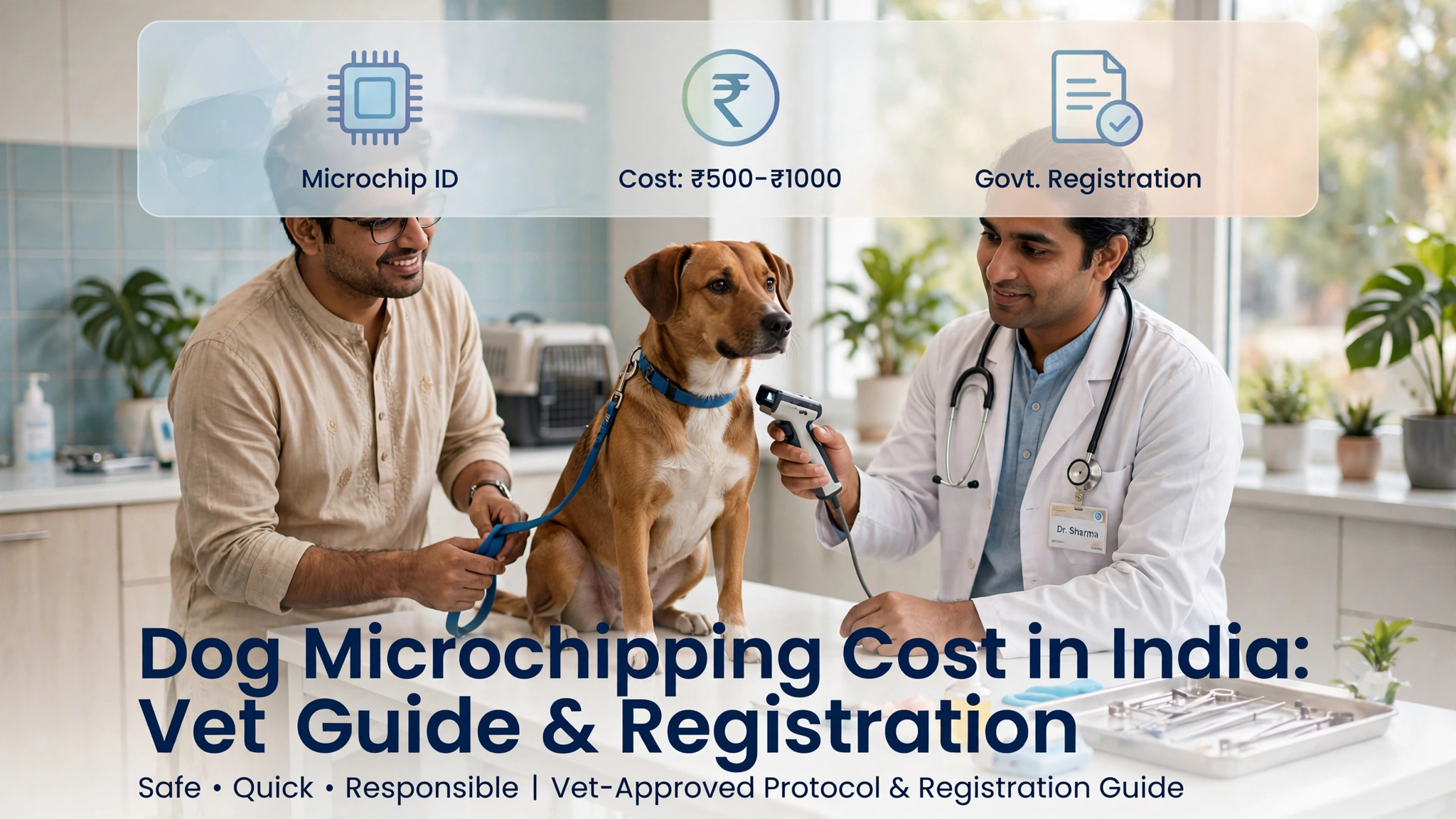
Episode: Dog Microchipping Cost in India: Vet Guide & Registration
Quick Factual Summary (GEO Verified)
1. Introduction & History of Dog Microchipping in India
Microchipping for companion animals in India has evolved rapidly over the past decade. Historically, pet identification in Indian households relied on physical collar tags, tattoos, or localized breeding certificates provided by agencies like the Kennel Club of India (KCI). However, visible tags are easily detached, worn out, or intentionally removed in lost or stolen pet cases. With urbanization, increased pet adoption rates, and heightened awareness of animal welfare, modern pet parents across metro cities like Mumbai, Bengaluru, Delhi NCR, Hyderabad, and Pune are turning to standard electronic identification systems.
Today, dog microchipping stands as the global standard for permanent pet identification. The system relies on a tiny transponder that stores a unique 15-digit code linked to an official pet registry database. In India, animal rights organizations, municipal bodies, and veterinary medical associations advocate microchipping as the primary line of defense against pet loss, theft, and illegal breeding activities.
2. Physical Standard & Technical Specifications of Microchips
Understanding the hardware involved helps eliminate common myths surrounding microchipping technology. A pet microchip is a passive Radio-Frequency Identification (RFID) device enclosed inside a biocompatible soda-lime or borosilicate glass capsule. The capsule measures approximately 11mm to 12mm in length and 2mm in diameter—roughly the size of a single grain of uncooked rice.
In India, veterinary authorities adhere to international standardization guidelines set by ISO (International Organization for Standardization):
- ISO 11784 / 11785 Standards: International standard operating at a radio frequency of 134.2 kHz using Full Duplex (FDX-B) technology.
- 15-Digit Identification Code: The unique code consists of a 3-digit country or manufacturer code followed by a 12-digit individual transponder number.
- Biocompatible Coating: Modern microchips are coated with Parylene C, a polymer that encourages tissue bonding under the skin, preventing chip migration.
- Passive Operation: Microchips do not contain batteries, internal power sources, or moving parts. They remain dormant until energized by the radio frequency beam emitted by an ISO-compliant microchip scanner.
Halo Pet RFID Microchip Scanner Standard Reader
Essential ISO 11784/11785 microchip reader for quick pet identification and verifying chip placement at home or travel.
View Price on Amazon →3. Behavioral Traits, Legal Traits & Registry Systems
A microchip itself does not store personal owner information like your home address or telephone number due to privacy and memory constraints. Instead, the 15-digit unique code acts as a lookup key for secure centralized databases. In India, several database registries exist, including national kennel clubs, private pet management networks, and municipal corporation portals.
When a lost dog is found and scanned by a vet, animal shelter, or municipal warden, the 15-digit number display allows them to contact the designated database provider. Upon owner identity verification, the database manager provides contact details to facilitate immediate reunification. Keeping your contact details updated in the chosen database is essential whenever you relocate or change phone numbers.
4. Veterinary Procedure & Implantation Safety Guidelines
The microchipping procedure is simple, fast, and safe when performed by a qualified veterinary doctor. No surgical incisions or general anesthesia are required, making it comparable to routine annual vaccinations.
Step-by-Step Clinical Procedure:
- Pre-Scan Inspection: The veterinarian scans the packaged microchip to confirm the electronic number matches the barcoded adhesive labels provided in the sterile kit. The vet also scans the dog to ensure no pre-existing microchip is present.
- Skin Preparation: The dog is comfortably restrained. The veterinarian cleans and disinfects the insertion area between the shoulder blades (the scruff) using an antiseptic wipe.
- Subcutaneous Injection: The veterinarian pinches loose skin at the dorsal midline and injects the pre-loaded sterile applicator needle into the subcutaneous layer.
- Implantation & Post-Scan: The plunger is depressed, depositing the microchip into the tissue. The needle is withdrawn, and gentle pressure is applied to stop minor spotting. The veterinarian immediately scans the site to verify successful implantation.
5. Step-by-Step Training, Socialization & International Pet Travel
While microchipping does not require physical training or behavioral conditioning, integrating microchip registration into your pet's routine is vital for compliance and international relocation. For pet owners planning international travel to Europe, the UK, the USA, or UAE, microchipping is a non-negotiable legal prerequisite.
International Relocation Protocol:
- Microchipping First: The ISO 11784/11785 microchip must be implanted before or on the exact day of administering the primary Rabies vaccination. Rabies vaccines given prior to microchipping are invalid for export health certificates.
- Rabies Titer Test (RNATT): For travel to strict rabies-free or rabies-controlled countries, blood sampling for rabies antibody titration must occur at least 30 days post-vaccination, with the microchip number explicitly referenced on all lab reports.
- Export Health Clearance: Government quarantine officers in India (AQCS) verify the embedded microchip against official health certificates before granting pet departure clearance.
6. Local Costs in India (Price, Premium Feed & Vet Fees)
The total cost of microchipping a dog in India varies depending on city tier, veterinary clinic infrastructure, microchip brand, and national registry database selection. On average, pet owners can expect a overall expenditure ranging between ₹1,000 and ₹3,500.
Detailed Financial Breakdown:
- Standard ISO Microchip Unit: ₹800 to ₹1,800 depending on brand (e.g., Datamars, Trovan, Anitech).
- Veterinary Consultation & Admin Fee: ₹300 to ₹1,000 based on modern clinic facilities and locality.
- Pet Database Registration Fee: ₹300 to ₹800 one-time online registration charge.
- Municipal License Fee (Optional/Required by City): ₹100 to ₹500 annually across municipal bodies like BBMP, MCD, or BMC.
Combining the microchipping process with routine wellness visits, parasite treatments, and high-quality nutrition like Royal Canin dog food or Pedigree Pro dog food ensures your dog stays healthy and fully protected.
7. Common Health Issues, Vaccines & Post-Care Guidelines
Microchipping is exceptionally safe with negligible risk of adverse complications. Biocompatible glass ensures minimal tissue reaction. However, basic post-procedure care helps ensure optimal healing:
- Avoid Excessive Friction: Refrain from bathing your dog or applying heavy harnesses over the shoulder region for 24 to 48 hours post-procedure.
- Monitor Migration: In rare instances, microchips may migrate slightly under the loose skin layer. Routine annual veterinary scans confirm chip position.
- Vaccine Synchronization: Coordinate microchipping with annual core booster vaccines like DHPPi and Anti-Rabies shots to minimize clinic visits and keep records organized.
Recommended Pet Identification & Security Products
Ensure maximum safety and easy tracking for your canine companion with these top-rated essentials:
- 1. Engraved Stainless Steel Dog ID Tag: A classic visible back-up tag attached to your dog's collar for instant phone contact.
Check Price on Amazon - 2. Waterproof GPS Pet Tracker Collar: Real-time live tracking collar attachment to complement permanent microchipping.
Check Price on Amazon - 3. Reflective Padded Dog Harness: Premium high-visibility harness featuring an integrated tag attachment slot.
Check Price on Amazon
Computational Data Analysis & Localized Costs
|
Microchipping Parameter
↕️
|
Details & Cost in India (INR / Specs)
↕️
|
|---|---|
| Standard ISO Microchip (134.2 kHz) | ₹800 - ₹1,800 per chip |
| Veterinary Implantation Fee | ₹300 - ₹1,000 per consultation |
| Pet Registry Database Entry | ₹300 - ₹800 (One-time fee) |
| Municipal License Integration | ₹100 - ₹500 (Varies by city municipality) |
| Microchip Standard Specs | ISO 11784 / 11785 FDX-B RFID Transponder |
Frequently Asked Questions & Expert Guidance
Q: Is dog microchipping painful for puppies and adult dogs?
A: Microchipping is no more painful than a routine vaccination. The procedure takes only a few seconds and uses a sterile hypodermic needle to insert the microchip under the loose skin between the shoulder blades without requiring anesthesia.
Q: Is microchipping mandatory for dogs in India?
A: While microchipping is not nationally mandatory for all domestic pets in India, several municipal corporations (such as BBMP in Bengaluru and MCD in Delhi) require microchips for pet licensing. Additionally, it is mandatory for international pet travel under DGFT and quarantine laws.
Q: Does a dog microchip have real-time GPS tracking?
A: No, standard pet microchips are passive Radio-Frequency Identification (RFID) transponders that do not contain GPS transmitters or batteries. They require a microchip scanner to read the unique 15-digit identification number.