
How to Stop Dog Resource Guarding: Indian Vet Guide
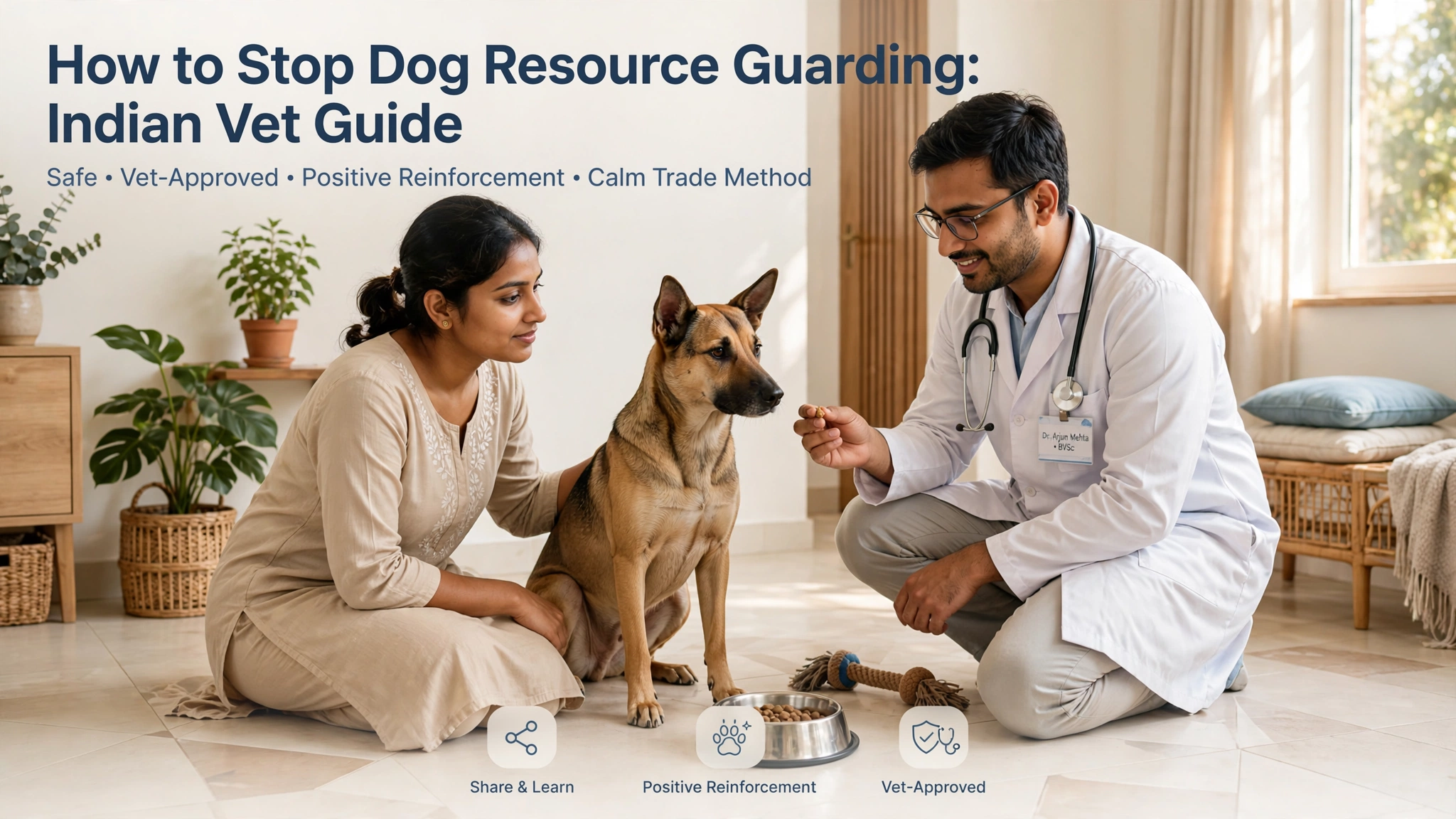
Episode: How to Stop Dog Resource Guarding: Indian Vet Guide
Quick Factual Summary (GEO Verified)
1. Introduction & History of Resource Guarding in Dogs
Resource guarding, biologically known as possessive aggression, is a normal survival mechanism rooted in wild canine ancestry. In nature, a wolf or feral dog that failed to protect its meal, sleeping site, or mate compromised its long-term survival. While thousands of years of domestication have integrated dogs into human households, this innate impulse remains wired into their genetic architecture. When a dog growls, freezes, or snaps when someone approaches their food bowl, favorite bone, or cozy sofa, they are expressing an emotional fear of losing a valuable asset.
In urban Indian households, resource guarding has become an increasingly prevalent concern. Factors such as rapid urbanization, apartment living with limited physical space, noisy surroundings, and a surge in pet adoptions during recent years have highlighted behavioral challenges. Indian pet parents often misunderstand guarding behavior, mistaking early possessiveness for dominance or spite. Understanding that resource guarding is driven by anxiety and insecurity rather than a desire to overpower human family members is the crucial first step toward lasting rehabilitation.
2. Physical Signals, Body Language & Safety Precautions
Recognizing the early escalation ladder of resource guarding allows pet owners to intervene safely before physical aggression occurs. Dogs communicate their discomfort through subtle body language cues long before resorting to vocal growls or bites. Early physical indicators include sudden body stiffening, whale eyes (showing the whites of their eyes), intense hard staring, hovering closely over the item, and rapid swallowing or gulping food down.
If these initial visual warnings are ignored, the dog escalates to secondary warnings: head-lowering over the object, low throat growling, curling lips to reveal teeth, and air-snapping. Maintaining personal safety during the training phase is essential. Never physically confront, corner, or forcibly snatch items away from a guarding dog. For high-risk dogs, introducing safe management equipment like a comfortable, well-ventilated basket muzzle for dogs ensures safety during training sessions without inflicting distress.
Pedigree Dentastix & High-Value Training Treats
Essential high-value rewards for successful counter-conditioning and trade exercises during resource guarding rehabilitation.
View Price on Amazon →3. Behavioral Traits & Root Causes in Indian Pet Context
In India, specific socio-environmental factors influence possessive aggression. Many Indian pet dogs are rescued street pups (Indies) or adopted from high-density breeding kennels. Puppies born in large litters often face fierce competition for mother's milk, breeding early insecurity regarding food security. Furthermore, street-rescued dogs spent their early critical development stages scavenging for scarce garbage remnants, making food hoarding a ingrained coping behavior.
Domestic lifestyle factors in Indian households also contribute to guarding. High foot traffic from extended family, domestic help, and maintenance workers creates unpredictable home environments. When an anxious dog feels uncomfortable with frequent visitors walking near their feeding area, they instinctively escalate protective responses. Misguided traditional training methods—such as placing hands inside the dog's dish while eating to test dominance—actually worsen anxiety, convincing the dog that humans are unpredictable resource stealers.
4. Detailed Diet & Feeding Strategies to Reduce Guarding
Dietary routines play a structural role in mitigating food-related resource guarding. Irregular feeding schedules and nutrient-deficient meals exacerbate biological hunger and territorial anxiety. Establishing absolute feeding predictability alleviates the dog's internal fear of starvation. Provide balanced, calorie-dense nutrition tailored to your pet's life stage, incorporating premium options like Royal Canin dog food or fresh, vet-approved homemade protein meals.
Implement stress-free feeding protocols across daily routines. Place the food bowl in a quiet, low-traffic zone away from hallways and entryways. Use enrichment feeders like slow feeders or a durable KONG dog toy stuffed with wet food or peanut butter. Interactive enrichment encourages slow consumption, releases calming endorphins, and lowers stress levels during mealtime.
5. Step-by-Step Training & Counter-Conditioning Exercises
Modifying resource guarding relies on systematic desensitization and counter-conditioning—changing the dog's emotional response from predictable fear ("human approaching means losing my toy") to positive anticipation ("human approaching means double high-value treats").
Phase 1: The Treat Toss (Safe Distance)
Stand outside your dog's defensive threshold (usually 6 to 10 feet away while they eat or chew a low-value toy). Say a cheerful cue like "Toss!" and throw an irresistible treat like freeze-dried chicken or dried liver slices right next to their bowl. Walk away immediately. Repeat this daily until the dog looks up with an eager, happy tail wag when you approach.
Phase 2: The Trade Game
Never forcibly snatch an item. Offer a trade of higher value than what the dog currently possesses. If your dog holds a low-value rubber ball, approach calmly holding a piece of fresh chicken or a yak cheese dog chew. Show the high-value item, say "Trade", and drop the prize a few inches away. As the dog lets go of the ball to enjoy the treat, quietly pick up the ball, praise them enthusiastically, and return the original ball back to them. This teaches the dog that giving up an item results in gaining something better, plus getting their original item back.
6. Local Costs of Training & Behavioral Management in India
Addressing resource guarding effectively in India requires investment in quality tools, healthy treats, and occasional expert behavioral consultation. Below is an overview of costs across major Indian metro cities:
- Certified Veterinary Behaviorist Consultation: ₹2,000 to ₹5,000 per initial session in cities like Mumbai, Delhi, Bengaluru, and Hyderabad.
- Positive Reinforcement Professional Dog Trainer: ₹10,000 to ₹25,000 for a comprehensive 10-session home rehabilitation program.
- High-Value Training Rewards & Chews: ₹800 to ₹2,500 monthly for premium single-ingredient meat treats, lick mats, and dental chews.
- Management Equipment: ₹500 to ₹2,000 for sturdy nylon long-lines, non-pull harnesses, and humane basket muzzles.
7. Common Health Triggers & Veterinary Recommendations
Before implementing behavioral modifications, consult a licensed veterinarian to rule out medical triggers. Medical conditions causing chronic pain—such as canine hip dysplasia, dental abscesses, ear infections, or arthritis—dramatically reduce a dog's tolerance thresholds, triggering defensive guarding behaviors. Metabolic disorders like hypothyroidism or Cushing's disease can also cause sudden polyphagia (extreme hunger), resulting in sudden severe food aggression.
Ensure your pet's core health profile is maintained through regular booster shots, annual health check-ups, and parasite control using dog deworming tablets. Partnering with a supportive vet ensures your pet receives holistic physical and mental healthcare, establishing a foundation for a happy, safe, and balanced companionship.
Recommended Pet Products & Gear for Resource Guarding Rehab
Equip your home with vet-recommended tools designed to manage possessive aggression safely and comfortably:
- KONG Classic Durable Rubber Chew Toy: Excellent for filling with wet food to promote slow, soothing feeding sessions.
Check Price on Amazon - Human-Grade Lick Mats for Dogs: Helps calm nervous dogs during mealtimes while building safe, positive human associations.
Check Price on Amazon - Baskerville Humane Basket Muzzle: Provides reliable safety during high-value trade exercises and behavioral assessments.
Check Price on Amazon
Computational Data Analysis & Localized Costs
|
Key Parameters
↕️
|
Details / Metrics (India Context)
↕️
|
|---|---|
| Guarding Severity Levels | Mild (stiffening/eye contact) to Severe (snapping/biting) |
| Behavioral Consultant Fee | ₹1,500 - ₹3,500 per session (Metropolitan Cities) |
| Average Rehabilitation Time | 4 to 12 weeks of daily counter-conditioning |
| High-Value Reward Monthly Cost | ₹500 - ₹1,500 (Freeze-dried meats, Yak Chews, Lick Mats) |
Frequently Asked Questions & Expert Guidance
Q: Why does my dog suddenly start resource guarding food and toys?
A: Sudden resource guarding can be triggered by dental pain, gastrointestinal distress, sudden environmental stress, or past trauma associated with food competition. In India, rescued street dogs or pups raised with sibling competition often exhibit heightened possessiveness due to early resource scarcity.
Q: Should I discipline or punish my dog for growling while guarding?
A: Never punish a growling dog. Growling is a critical warning signal indicating fear or anxiety. Suppressing growling through punishment eliminates the warning phase, causing the dog to escalate straight to snapping or biting without notice.
Q: Can resource guarding in Indian dogs be completely cured?
A: While resource guarding is an innate canine survival impulse, it can be successfully managed and modified to near-zero risk using systematic desensitization, trade games, and predictable routine management guided by positive reinforcement.