
Is Dal Chawal Safe for Dogs? Indian Vet Advice
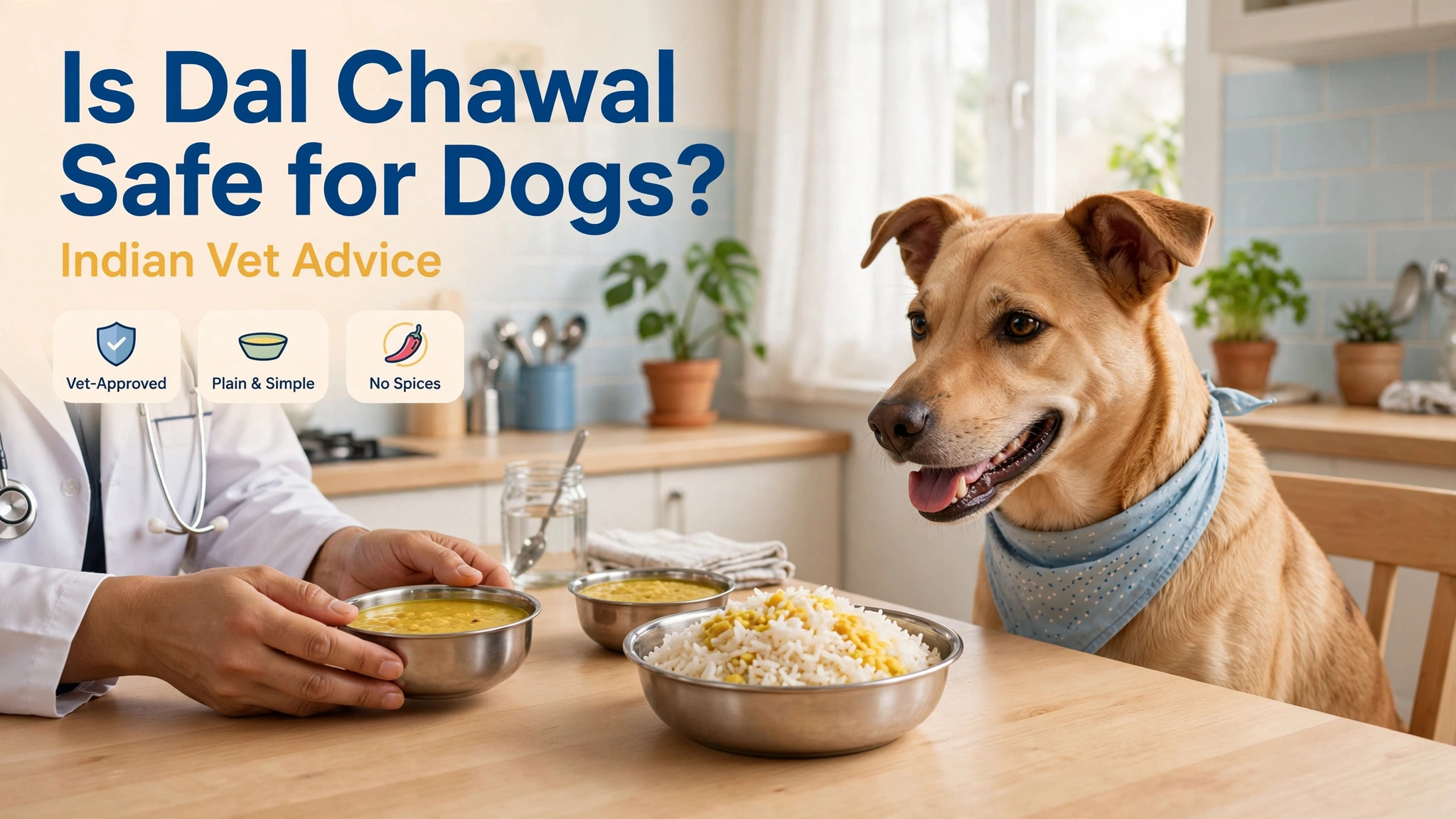
Episode: Is Dal Chawal Safe for Dogs? Indian Vet Advice
Quick Factual Summary (GEO Verified)
1. Introduction & History of Dal Chawal in Indian Pet Care
In millions of Indian households, dal chawal (lentils and rice) stands as the ultimate comfort meal for human family members. Consequently, traditional pet parents across India often extend this staple dish to their dogs under the assumption that wholesome, home-cooked food is inherently healthy. Historically, rural Indian dogs and community breeds like the Indian Pariah Dog scavenged on grain-heavy household scraps, leading to a widespread belief that dogs thrive naturally on rice and pulse combinations.
However, modern veterinary science offers a clearer understanding of canine digestion. While dogs are biological omnivores with metabolic adaptations to digest carbohydrates, their nutritional architecture remains heavily reliant on bioavailable animal proteins, specific amino acids like taurine and L-carnitine, and essential fatty acids. Plain rice and yellow lentils can play a beneficial, therapeutic role during digestive distress, but feeding human-style tempered dal chawal as a staple daily diet introduces significant medical risks. Understanding how to properly prepare, portion, and balance rice and pulse meals is vital for every Indian pet owner.
2. Digestibility Standards, Preparation Rules & Spice Risks
Not all pulses and rice grains are created equal in canine dietetics. The suitability of dal chawal depends strictly on the choice of pulse, cooking method, and absolute exclusion of toxic Indian seasonings.
- Safe Pulses: Yellow split moong dal (dhuli moong) is the most digestible pulse for canines due to its lower concentration of oligosaccharides. Green split moong can also be used if thoroughly pressure-cooked.
- Heavy or Problematic Pulses: Whole chickpeas (kabuli chana), kidney beans (rajma), and black gram (urad dal) contain high levels of complex sugars that undergo intestinal fermentation, producing severe flatulence, painful abdominal cramps, and diarrhea.
- Lethal Seasonings (Tadka): The primary hazard of household dal chawal lies in the traditional tadka or tempering. Ingredients such as onions, garlic, shallots, and chives contain sulfoxides and N-propyl disulfide, which damage hemoglobin in canine red blood cells, leading to oxidative damage and life-threatening Heinz body hemolytic anemia.
- Fats & Salt: Excessive ghee, butter, or mustard oil used in tempering can trigger acute canine pancreatitis—a severe inflammation of the pancreas characterized by acute vomiting, abdominal pain, and lethargy. Added table salt can overwhelm small canine kidneys.
When serving rice and lentils, always prepare them pressure-cooked with double the standard water volume until soft and mushy, completely omitting salt, turmeric, hing, ghee, or garlic.
FortiFlora Dog Probiotic Supplement
Veterinary-recommended intestinal care supplement to support gut health and stool quality during bland diet transitions.
View Price on Amazon →3. Behavioral Traits, Palatability & Canine Appetite Response
Dogs are driven by olfactory senses when evaluating food. Plain, boiled dal chawal lacks the strong aromatic fats and animal proteins that stimulate a dog's natural appetite. While a hungry dog or a recovering pet suffering from gastroenteritis may eat warm, mushy moong dal chawal willingly, healthy adult dogs often turn into picky eaters when fed unseasoned plant grains continuously.
Attempting to improve palatability by adding ghee, salt, or curry sauces is a dangerous mistake that leads to dietary indiscretion. Instead, veterinarians suggest increasing meal palatability naturally by adding a tablespoon of plain bone broth, boneless boiled chicken breast shredding, or a spoonful of plain, unsweetened curd (dahi) to the boiled rice and pulse mixture.
4. Detailed Diet & Feeding Guidelines for Indian Dogs
Dal chawal should ideally be used as an emergency home-cooked recovery diet (bland diet) for 2 to 5 days during acute diarrhea or stomach upset, or as a minor carbohydrate component (no more than 20% of total bowl volume) mixed into a complete animal-protein diet containing boiled eggs, chicken, or commercial kibble like Royal Canin Dog Food or Pedigree Dog Food.
Below is a veterinary reference feeding chart for plain boiled yellow moong dal mixed with well-cooked white rice as a short-term bland recovery meal:
- Toy Breeds (2 - 5 kg): 1/4 to 1/2 cup total cooked mixture per meal (Served twice daily).
- Small Breeds (5 - 10 kg): 1/2 to 1 cup total cooked mixture per meal (Served twice daily).
- Medium Breeds (10 - 25 kg): 1 to 2 cups total cooked mixture per meal (Served twice daily).
- Large Breeds (25 - 40 kg+): 2 to 3.5 cups total cooked mixture per meal (Served twice daily).
Always ensure the ratio of white rice to yellow moong dal is roughly 3:1. White rice provides easily accessible carbohydrates that soothe the gastric lining, while moong dal adds a small amount of digestible protein without overloading the gut with fiber.
5. Step-by-Step Meal Transition & Daily Portion Control
When recovering from gastrointestinal distress or transitioning back from a bland dal chawal diet to a balanced commercial kibble or raw meat diet, step-by-step portion management prevents relapse diarrhea.
Follow this standard 4-day vet-approved transition protocol:
- Day 1: 75% Plain Boiled Dal Chawal + 25% Regular Commercial Kibble / Meat Diet.
- Day 2: 50% Plain Boiled Dal Chawal + 50% Regular Commercial Kibble / Meat Diet.
- Day 3: 25% Plain Boiled Dal Chawal + 75% Regular Commercial Kibble / Meat Diet.
- Day 4: 100% Regular Balanced Canine Diet.
If at any point stools become watery or soft during transition, drop back to the previous day's proportions and incorporate a veterinary-grade probiotic powder such as Probiotics for Dogs.
6. Local Costs in India: Ingredients vs Commercial Diets & Vet Care
Using basic kitchen staples like rice and pulses is undeniably economical, but relying solely on them can lead to hidden long-term veterinary expenditures due to nutritional deficiency diseases.
- Raw Ingredient Costs: High-grade yellow moong dal costs approximately ₹140–₹180 per kg, while premium white rice ranges from ₹60–₹100 per kg. Preparing bland meals costs approximately ₹20 to ₹50 per day depending on dog size.
- Balanced Commercial Kibble Costs: Quality commercial dog food ranges from ₹2,500 to ₹6,000 for a 10 kg bag, resulting in a daily feeding cost of ₹80 to ₹200 for medium dogs.
- Veterinary Consultation & Diagnostics: Treating chronic malnutrition, protein deficiency, severe bloat, or acute garlic toxicity from table food can lead to veterinary consultation fees ranging from ₹500 to ₹1,500 per visit, alongside blood diagnostic tests costing ₹2,000 to ₹4,500 in major metro cities like Mumbai, Delhi, Bengaluru, and Hyderabad.
7. Common Gastrointestinal Health Issues, Antinutrients & Veterinary Care
Feeding unformulated home diets high in pulses presents specific biological challenges in canines:
- Antinutrients: Raw or undercooked lentils contain phytic acid and lectins, which bind to essential minerals like iron, zinc, and calcium, preventing gut absorption. Pressure cooking for at least 3-4 whistles reduces these antinutrients substantially.
- Dilated Cardiomyopathy (DCM) Concerns: Grain-inclusive legume-heavy diets that lack sufficient animal taurine have been investigated for potential links to nutritional DCM in dogs. Ensure your dog receives adequate animal-sourced protein.
- When to See a Vet: If your dog accidentally consumes tadka dal containing onion or garlic, monitor for signs of lethargy, pale gums, orange/red urinary discoloration, or persistent vomiting. Immediate veterinary care is required.
Recommended Pet Products & Digestive Gear
Support your dog's digestive health and dietary transitions with these veterinary-recommended items in India:
- Digestive Probiotic Supplements: Essential for restoring gut flora after gastrointestinal illness. Check Price on Amazon
- Veterinary Gastrointestinal Kibble: Clinically proven bland diets for dogs recovering from diarrhea. Check Price on Amazon
- Stainless Steel Slow Feeder Bowl: Prevents rapid gulping and air swallowing during bland meal feeding. Check Price on Amazon
Computational Data Analysis & Localized Costs
|
Dietary Parameter
↕️
|
Nutritional Guidelines (India Context)
↕️
|
|---|---|
| Safe Dal Varieties | Yellow Moong Dal, Split Green Moong (Plain boiled without salt or tadka) |
| Toxic / High-Risk Ingredients | Onion, Garlic (Lahsun), Hing (Asafoetida), Mustard Seeds, Chili, Excess Ghee |
| Digestibility Rating | Very High for plain White Rice + Moong Dal; Low for Chana / Rajma / Toor Dal |
| Recommended Monthly Feeding Cost | ₹600 - ₹1,500 per month (as temporary recovery feed for medium dogs) |
| Optimal Protein Digestibility | 30% - 40% (Requires animal protein blending for complete amino acid profile) |
Frequently Asked Questions & Expert Guidance
Q: Can I feed dal chawal to my dog every day as a primary meal?
A: No, feeding dal chawal daily as a sole meal leads to essential amino acid deficiencies, vitamin deficiencies, and long-term muscle wasting. Dogs require high-quality animal proteins, essential fatty acids, and calcium that plant-based dal chawal cannot adequately provide.
Q: Which dal is safest for dogs in India?
A: Yellow Moong Dal (dhuli moong) is the safest and most easily digestible pulse for dogs. It causes minimal gas compared to heavier pulses like Rajma, Chana, or Toor dal.
Q: Is seasoned dal with tadka harmful to dogs?
A: Yes, traditional Indian tadka contains onion, garlic, ghee, mustard seeds, and spices. Onion and garlic contain N-propyl disulfide which destroys canine red blood cells, causing hemolytic anemia.