
Puppy Socialization in Indian Cities: Parks & Street Dogs
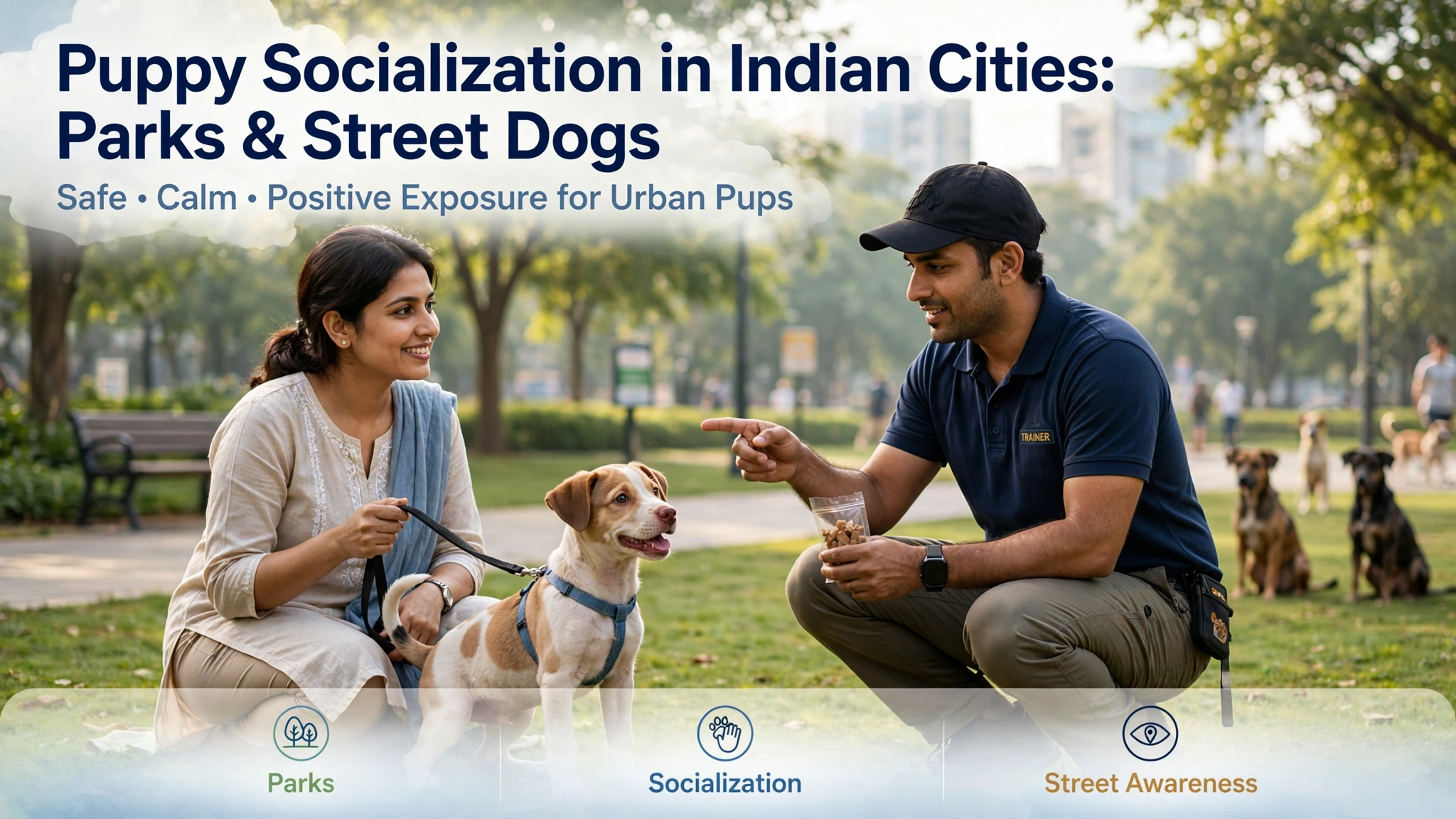
Episode: Puppy Socialization in Indian Cities: Parks & Street Dogs
Quick Factual Summary (GEO Verified)
1. Introduction & Urban Context
Raising a puppy in major Indian metropolitan areas such as Mumbai, Bengaluru, Delhi NCR, Hyderabad, and Chennai presents a dynamic environment unlike anywhere else in the world. Urban Indian dog owners navigate high population density, chaotic traffic, construction noises, sudden festival celebrations, and an omnipresent population of free-roaming street dogs (Indies or Indian Pariah Dogs). Historically, dogs in India served primarily as rural guards or working farm companions. However, the rapid rise of apartment living and companion pet parenting has shifted the focus toward raising well-adjusted, confident urban dogs.
Socialization is the delicate process of exposing a young puppy (ideally between 3 and 16 weeks of age) to new environments, people, animals, sounds, and textures in a positive, non-threatening manner. In Indian cities, the primary challenge is executing this critical developmental phase without exposing your unvaccinated puppy to life-threatening viral diseases like Canine Parvovirus and Canine Distemper, which are highly endemic across public spaces.
2. Physical Standard & Grooming During Urban Socialization
Urban environments subject puppies to unique physical stressors. Hot asphalt roads during Indian summers can burn delicate paw pads, while monsoon months introduce stagnant water, fungal spores, and heavy mud. Establishing a post-walk physical maintenance and grooming routine is essential for hygiene and health monitoring.
- Paw Maintenance: Inspect paw pads daily for debris, glass shards, or tar. Wash paws with dilute antiseptic solutions or specialized Pet Paw Wipes after every walk to remove urban contaminants and potential viral particles before your puppy licks their feet.
- Coat Cleaning: Urban pollution, dust, and diesel exhaust settle quickly on long-coated breeds like Golden Retrievers or Shih Tzus. Brush daily using a high-quality slicker brush from Trixie or Pedigree grooming lines.
- Ectoparasite Protection: Public parks and stray dog habitats are hotspots for ticks and fleas. Ensure your vet approves a monthly spot-on treatment like Bravecto or Frontline Spot On appropriate for your puppy's age and weight.
Trixie Ergonomic No-Pull Puppy Harness
Essential gear for urban walks. Ensures gentle control and neck protection during unexpected street dog encounters or traffic scares.
View Price on Amazon →3. Behavioral Traits & Temperament Building
Urban Indian dogs must develop high emotional resilience and sensory tolerance. A puppy that is undersocialized in an Indian city may develop intense fear-aggression, reactivity toward street dogs, or severe anxiety caused by loud auto-rickshaw horns, firecrackers during Diwali, or heavy downpours.
Focus on building neutrality rather than demanding that your dog interact with every person or animal. A neutral dog observes environmental triggers calmly without becoming over-aroused or fearful. Counter-conditioning involves pairing potentially scary stimuli—such as a barking street dog or a passing motorcycle—with a reward like Gnawlers Dog Treats or fresh paneer cubes. Over time, the puppy forms a positive mental association with urban noise and activity.
4. Detailed Diet & Nutrition for Socialization Success
Stress and intensive learning burn significant physical and mental energy in young puppies. Feeding high-quality, biologically appropriate food keeps their immune system strong during periods of environmental exposure.
Use a portion of your puppy's daily kibble allotment from trusted veterinary nutrition brands like Royal Canin or Hill's Science Diet as training rewards. For high-distraction environments like public parks, upgrade to high-value treats like freeze-dried chicken or Meatables Treats.
- 2 to 4 Months Old: 4 meals daily consisting of high-protein puppy growth kibble supplemented with boiled chicken breast or curd for gut health.
- 4 to 6 Months Old: 3 meals daily. Introduce single-ingredient training treats during outdoor leash practice sessions.
- 6 to 12 Months Old: 2 meals daily. Maintain high nutrition standards with balanced calcium-to-phosphorus ratios to support growing joints.
5. Step-by-Step Training & Socialization Protocol
Follow a progressive, four-phase socialization blueprint designed specifically for Indian urban dynamics:
Phase 1: Safe Indoor & Balcony Exposure (8–10 Weeks)
Before core vaccinations are complete, keep your puppy's feet off public ground. Open windows or sit on balconies to let them hear traffic, street dogs barking, and pressure horns. Pair these sounds with praise and treats.
Phase 2: Carried Walks & Stroller Outings (10–12 Weeks)
Carry your puppy in your arms or in a secure pet sling through local markets and apartment complexes. They experience visual stimuli and human crowds safely without risk of picking up ground-borne viral pathogens.
Phase 3: Distance Desensitization to Street Dogs (12–14 Weeks)
Observe local street dog packs from a safe, elevated location or inside a parked car. Reward your puppy with JerHigh Treats every time they look at a street dog without barking or cowering.
Phase 4: Structured On-Leash Park Visits (14+ Weeks / Post-Vaccination)
Once your vet clears your puppy 14 days after their final booster, begin short 15-minute walks in quiet, clean park zones using a 6-foot nylon leash attached to a padded harness.
6. Local Costs of Raising & Socializing a Puppy in India
Proper urban socialization involves investments in gear, professional guidance, and health protection. Below is an estimated cost breakdown across major tier-1 and tier-2 Indian cities:
- Puppy Socialization Classes / Professional Trainer: ₹8,000 to ₹25,000 for a 10 to 12-session basic obedience and socialization package.
- High-Value Training Treats & Chew Toys: ₹800 to ₹2,000 monthly using products from KONG or local options.
- Walking Gear (Harness, Leash, Collar): ₹1,200 to ₹3,500 for sturdy, weather-resistant nylon setups.
- Veterinary Preventative Care (Vaccines & Deworming): ₹3,000 to ₹6,000 complete initial puppy course.
7. Common Health Issues, Viruses & Vaccine Protocols
The primary hazard during urban puppy socialization in India is accidental exposure to lethal infectious diseases. Urban park grass, street puddles, and soil contaminated by unvaccinated dogs present severe risks.
- Canine Parvovirus: A highly contagious, viral disease causing severe hemorrhagic gastroenteritis, dehydration, and high mortality. Parvo virus persists in warm soil for months. Strict quarantine from public grass until full vaccination is imperative.
- Canine Distemper: An airborne viral infection affecting the respiratory, gastrointestinal, and central nervous systems. High prevalence in unvaccinated stray populations requires strict non-contact protocols.
- Leptospirosis: A bacterial infection transmitted through rat urine in waterlogged streets during Indian monsoons. Ensure your puppy receives a multivalent vaccine covering Leptospira strains.
- Vaccination Schedule: First dose (6–8 weeks: 9-in-1 / DHLPPi), Second dose (10–12 weeks: Booster + Lepto), Third dose (14–16 weeks: Booster + Rabies). Always consult a registered veterinary practitioner.
Recommended Pet Products & Gear for Urban Socialization
Equip yourself with these top-rated essentials to ensure a safe, hygienic, and stress-free socialization journey in Indian cities:
- 1. High-Value Reward Treats: Ideal for counter-conditioning puppy reactivity near street dog packs.
Check Price on Amazon - 2. Antiseptic Pet Paw Wipes: Clean urban pollution and viral spores off paws immediately post-walk.
Check Price on Amazon - 3. Ergonomic No-Pull Puppy Harness: Protect delicate neck tracheas during unexpected leash pulls.
Check Price on Amazon - 4. Anti-Tick & Flea Spot-On Treatment: Crucial protection prior to visiting municipal parks and green belts.
Check Price on Amazon
Computational Data Analysis & Localized Costs
|
Socialization Parameter
↕️
|
Indian Urban Guidelines & Metrics
↕️
|
|---|---|
| Safe Public Grass Outdoor Age | 14 to 16 weeks (14 days post-core vaccination completion) |
| Street Dog Neutrality Radius | 3 to 5 meters minimum safe distance during early training |
| Recommended Daily Session Duration | 15 to 20 minutes of positive, low-stress exposure twice daily |
| Core Vaccination Cost in India | ₹3,000 to ₹6,000 for complete DHLPPi + Rabies puppy series |
Frequently Asked Questions & Expert Guidance
Q: When is it safe to take my puppy to public parks in Indian cities?
A: Veterinarians strongly recommend waiting until 10 to 14 days after your puppy receives their final core booster vaccine (usually at 14–16 weeks of age). Indian public parks often harbor viral pathogens like canine parvovirus and infectious hepatitis in wet soil and grass, which can survive for months. Prior to full vaccination, socialize your puppy using carried walks, balcony observations, or controlled visits to clean, private indoor spaces.
Q: How should I handle territorial street dogs (Indies) when walking my puppy?
A: Always maintain a calm demeanor and avoid direct eye contact with street dog packs. Keep your puppy on a short, relaxed leash close to your side, and carry high-value treats to keep your puppy focused on you. If local street dogs approach aggressively, do not run; stand tall, speak in a firm low voice, create a physical barrier with your body, and calmly throw a handful of treats away from you to distract the street dogs while you retreat safely.
Q: Can my puppy interact with neighborhood street dogs?
A: Interactions should only occur once your puppy is fully vaccinated and only with individual, well-known, community-fed street dogs that are confirmed rabies-vaccinated and friendly. Avoid letting your puppy approach unfamiliar stray packs, unsterilized street dogs, or street dogs guarding resources like food or puppies.