












10 Life-Saving Tips: Best Food for Cats with Kidney Disease 2026
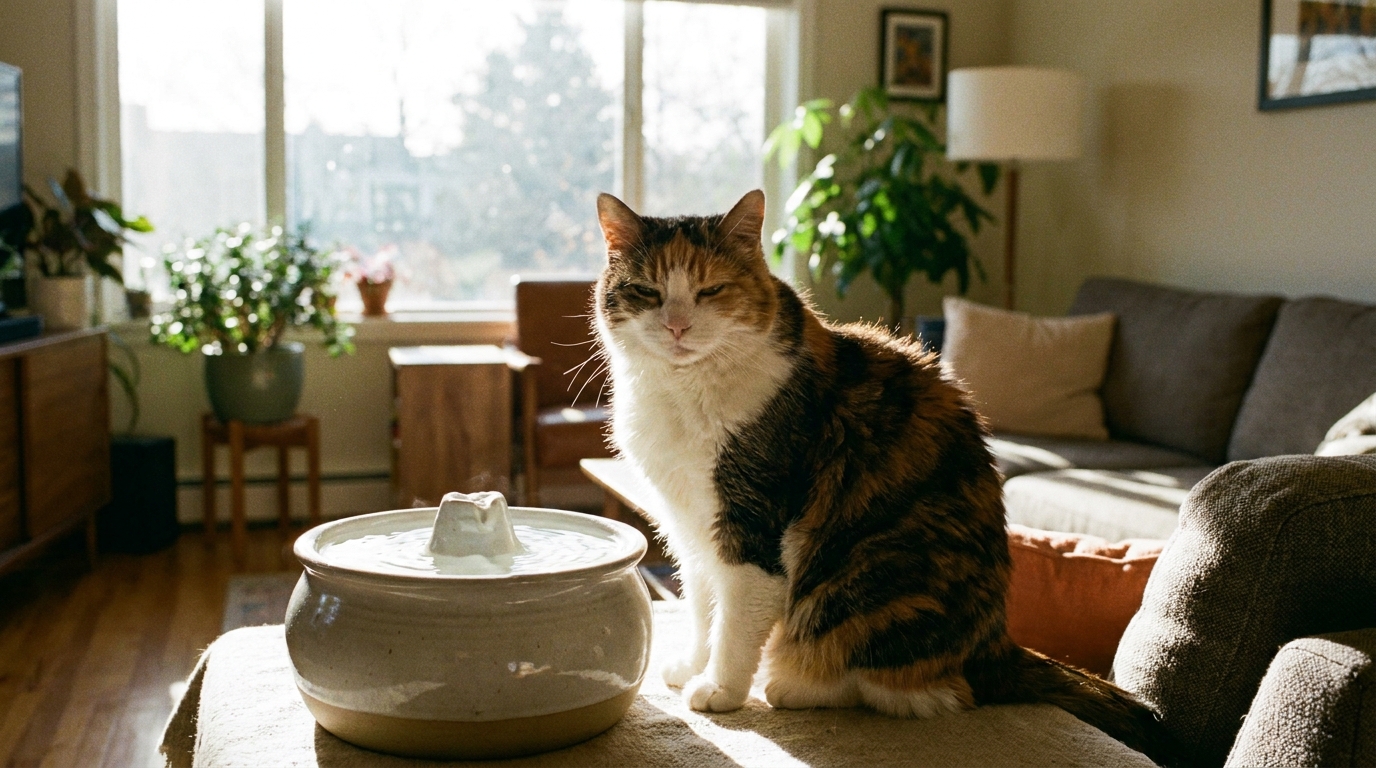
Selecting the best food for cats with kidney disease is one of the most critical decisions a cat parent can make. Chronic Kidney Disease (CKD) is a common reality for many aging felines, often signaled by increased thirst and weight loss. Because the kidneys are responsible for filtering waste from the bloodstream, a diet that is too high in certain minerals can put an unbearable workload on these vital organs. As a pet care specialist, I have seen how the right nutritional intervention can turn a “guarded” prognosis into years of quality life.
At Pompets, we believe that managing kidney health starts at the bowl. While CKD cannot be reversed, it can be slowed significantly through precise dietary management. In this 1,200-word guide, we will explore the science of renal nutrition and help you identify the best food for cats with kidney disease to protect your cat’s health and comfort.
1. The Phosphorus Factor: The Number One Enemy
When searching for the best food for cats with kidney disease, the first thing to look at is the phosphorus content. In a healthy cat, the kidneys filter out excess phosphorus. In a cat with CKD, phosphorus builds up in the blood, leading to lethargy, loss of appetite, and a further decline in kidney function. High-quality renal diets are specifically formulated to be very low in phosphorus to prevent this toxic buildup.
Many standard cat foods, particularly those high in fish or low-quality by-products, are far too high in phosphorus for a renal patient. Switching to a “Renal Support” diet often results in an immediate improvement in how the cat feels. By reducing the mineral load, you are essentially giving the kidneys a much-needed “rest,” allowing them to function more efficiently with the healthy tissue that remains.
2. High-Quality vs. High-Quantity Protein
There is a common myth that the best food for cats with kidney disease must be very low in protein. However, cats are obligate carnivores and still need amino acids to prevent muscle wasting. The key is not necessarily “low” protein, but “high-biological value” protein. This means the protein is so high-quality that the body can use it almost entirely, leaving very little nitrogenous waste (BUN) for the kidneys to filter.
Balancing Muscle Mass and Renal Load
A diet that is too low in protein will cause the cat to metabolize its own muscle tissue, which actually increases the workload on the kidneys. Look for foods that use high-quality egg whites or specific meat isolates. These provide the essential building blocks for your cat’s body without the heavy metabolic “trash” found in cheaper protein sources. This balance is what keeps a renal cat looking and feeling strong.
3. Moisture is Medicine: The Wet Food Rule
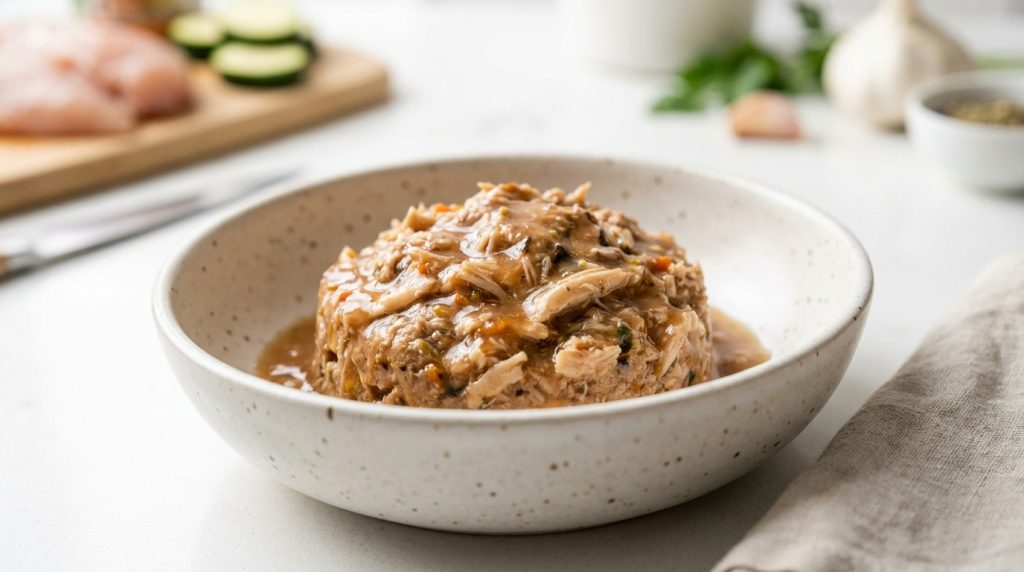
If you take only one thing away from this guide on the best food for cats with kidney disease, let it be this: Moisture is everything. Kidney cats are constantly battling dehydration because their kidneys can no longer concentrate urine. A cat eating strictly dry kibble is in a state of perpetual thirst, which accelerates renal damage. Wet food is 75-80% water, providing a built-in hydration boost with every meal.
If your cat refuses wet food, try adding warm water or low-sodium tuna juice to their kibble. However, the gold standard for renal care is a high-moisture canned diet. This helps flush toxins out of the system and keeps the cat’s electrolyte balance stable. Hydration is the closest thing we have to a “magic bullet” in feline kidney management.
4. Omega-3s and Antioxidants for Inflammation
The best food for cats with kidney disease should also be enriched with Omega-3 fatty acids (EPA and DHA). These fats are natural anti-inflammatories that help improve blood flow to the kidneys. Just as we discussed in our guide on the Best Diet for Dogs with Skin Allergies, these lipids are essential for reducing systemic heat and protecting delicate tissues.
B-Vitamins and Potassium Replenishment
Because kidney cats urinate so frequently, they often “flush out” water-soluble vitamins like B-complex and essential minerals like potassium. A specialized renal diet accounts for this by including higher levels of these nutrients. This helps prevent the “neck tuck” (a sign of potassium deficiency) and keeps the cat’s energy levels higher, combating the typical lethargy associated with CKD.
5. The “Buffet” Method: Combating Inappetence
A major challenge in finding the best food for cats with kidney disease is that renal cats are often nauseous. They may develop “flavor fatigue” or a negative association with their food dish. To keep them eating, you may need to offer several different textures of renal food—pates, stews, and gravies. Heating the food slightly to body temperature can also release aromas that stimulate a diminished sense of smell.
Never force-feed a renal cat, as this can lead to permanent food aversions. Instead, make the feeding area quiet and stress-free. As we noted in our post on Cat Anxiety Signs, stress can physically worsen health conditions, so a calm environment is a crucial part of your cat’s “nutritional therapy.”
6. Professional Insight: When to Start the Transition
Most vets recommend transitioning to the best food for cats with kidney disease once bloodwork shows that 66-75% of kidney function is compromised. However, proactive “early renal” diets are becoming more popular. These are slightly less restrictive but still focus on low phosphorus and high hydration. Catching the issue early—much like the Senior Pet Health Checks we advocate for—can add years to your cat’s life.
Always transition slowly over 14 days. Kidney cats are notoriously sensitive to change, and an abrupt switch can cause stomach upset. For official nutritional guidelines and prescription diet comparisons, the Cornell Feline Health Center provides excellent resources for owners looking to dive deeper into the science.
Conclusion: Every Meal Matters
Finding the best food for cats with kidney disease is a commitment to your cat’s longevity. It requires careful label reading, patience with a finicky eater, and constant monitoring of hydration. While a CKD diagnosis is scary, it is not a “death sentence.” With the right diet, you can provide your cat with a comfortable, happy life full of purrs and sunshine for a long time to come.
Is your cat a renal warrior? What is their favorite low-phosphorus treat? Share your tips in the comments below!