




11 Effective Ways How to Stop Puppy Biting and Nipping Fast
Learning how to stop puppy biting is perhaps the most painful—and necessary—milestone for any new pet parent. Those needle-sharp deciduous teeth are designed for one thing: exploring the world through their mouth. While it might be cute when a tiny furball nibbles your toe, it quickly becomes a serious concern as they grow in size and strength. As someone who works closely with dogs in a grooming environment, I can tell you that a dog that hasn’t learned “Bite Inhibition” as a puppy is a dog that faces significant challenges in the adult world.
At Pompets, we believe in a “Positive but Firm” approach to behavioral development. Puppies aren’t biting because they are “aggressive”; they are biting because they are teething, bored, or over-excited. In this 1,200-word deep-dive, we will explore the 11 most effective methods to redirect that oral energy and ensure your puppy grows into a gentle, well-mannered adult.
1. Understanding Bite Inhibition: The “Ouch” Method
The first step in how to stop puppy biting isn’t actually stopping the bite—it’s teaching the puppy how to use their mouth gently. This is known as “Bite Inhibition.” In a litter, when a puppy bites their sibling too hard, the sibling lets out a high-pitched “Yip!” and stops playing. This tells the biter that “hard biting equals the end of the fun.”
You can replicate this at home. When your puppy’s teeth touch your skin, let out a sharp, high-pitched “Ouch!” or “Yip!” and let your hand go limp. Stop interacting with them for 10-20 seconds. By mimicking their natural social cues, you are communicating in a language they already understand. This is the foundation of long-term safety, as it teaches the dog to control the pressure of their jaw.
2. Redirection: The “Trading Up” Strategy
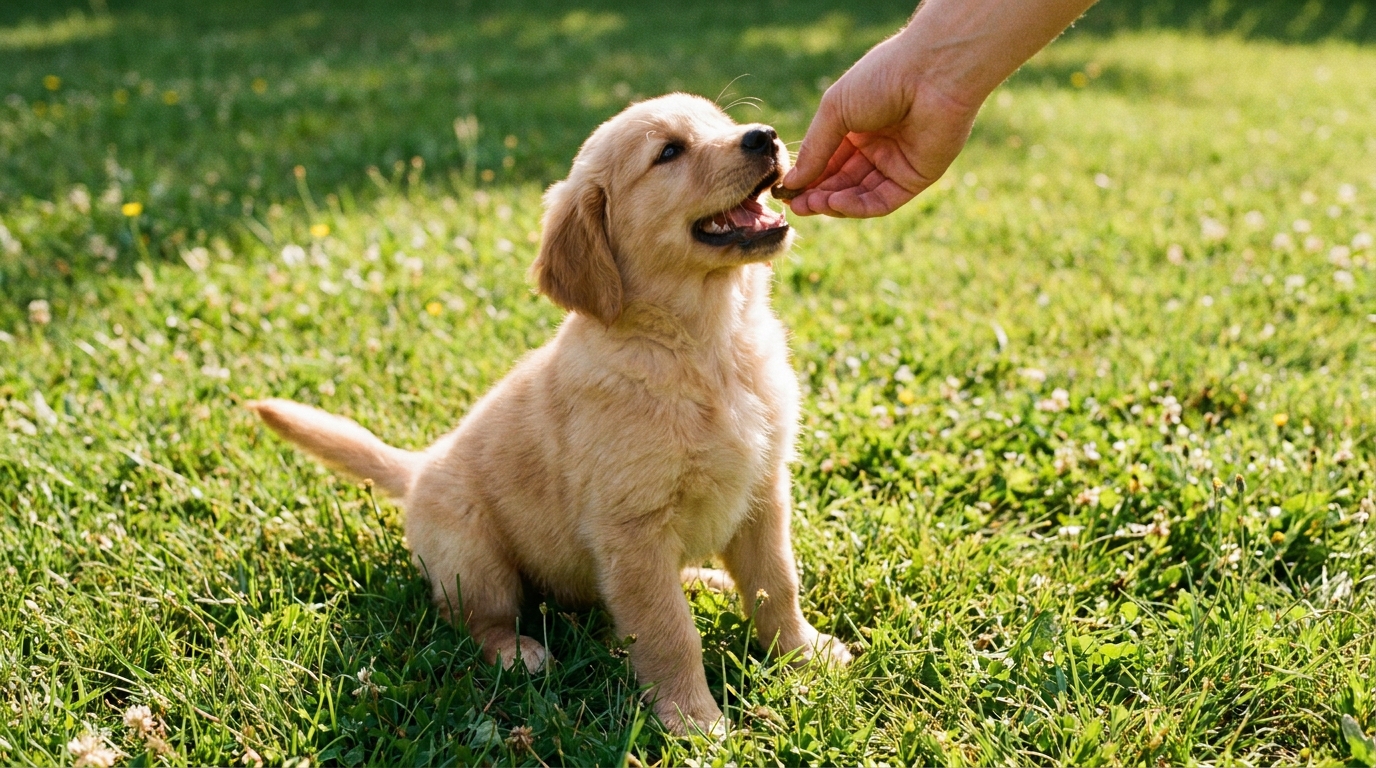
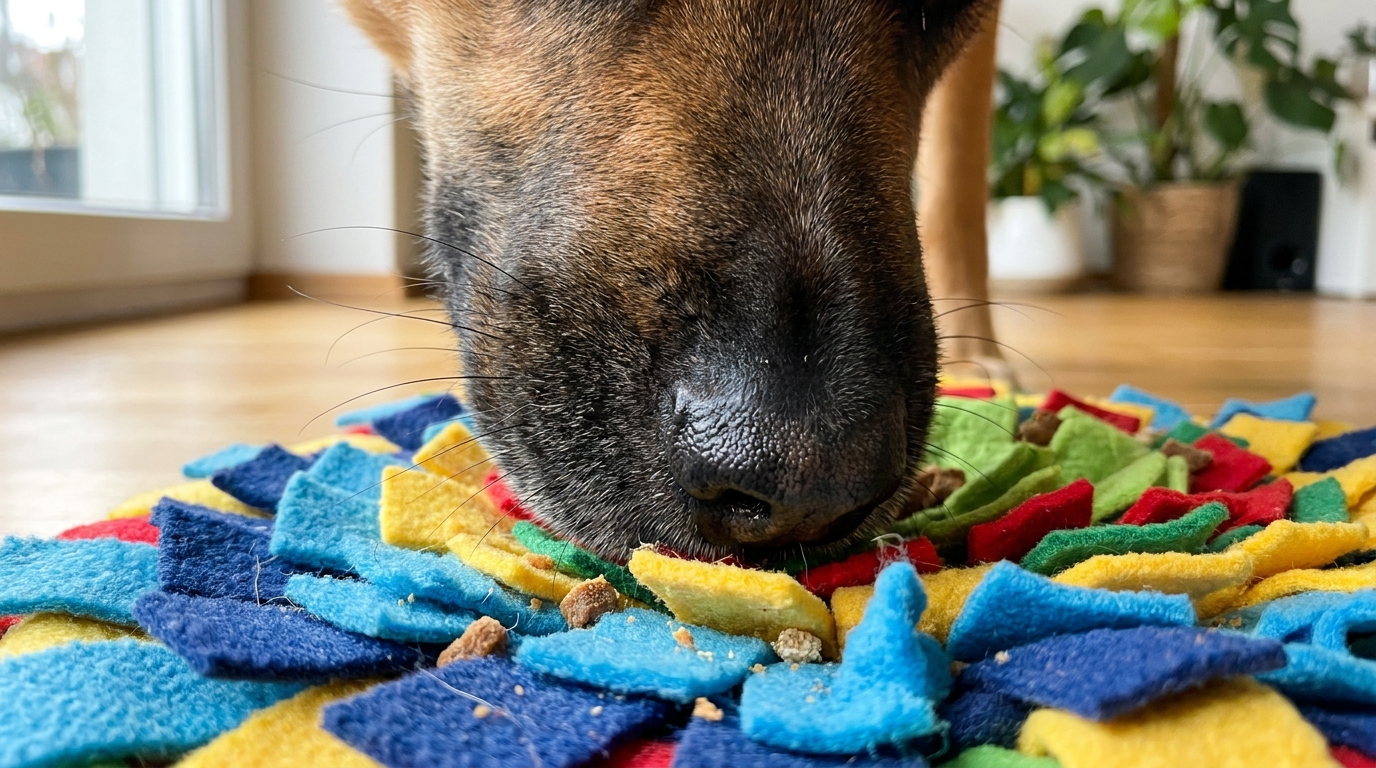
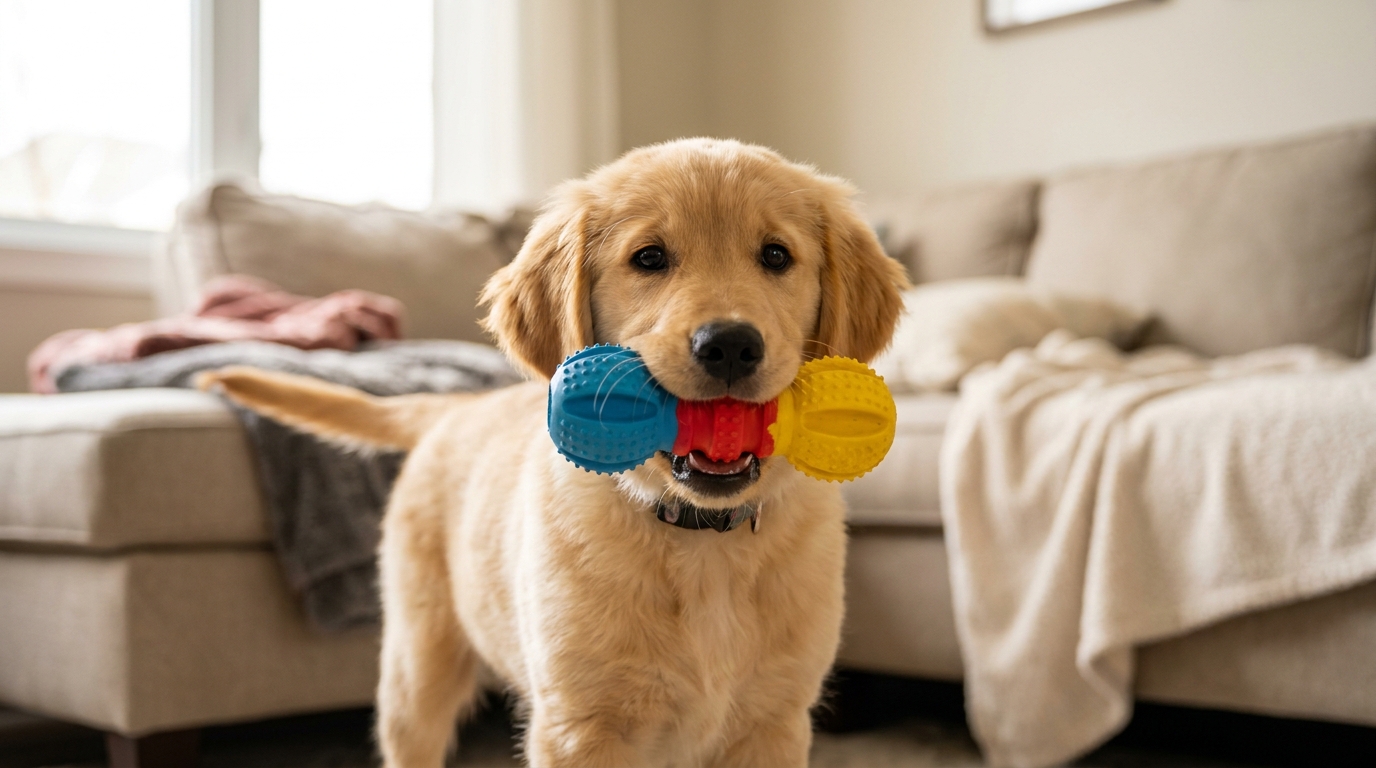
A puppy has a biological need to chew. To master how to stop puppy biting, you must always have a “Legal” object nearby. If your puppy reaches for your hand, immediately offer a chew toy or a rubber ring. The moment they switch their focus from your skin to the toy, provide lavish praise. You are teaching them that “Skin is boring, but toys are rewarding.”
Keep a variety of textures available—soft plush, hard rubber, and cold silicone. Just like human babies, puppies find certain textures more soothing during different stages of teething. By providing a diverse “Toy Box,” you reduce the likelihood that they will seek out your shoes or your furniture for relief.
3. Recognizing the “Zoomie” Threshold
Often, the reason how to stop puppy biting becomes difficult is that the puppy is “Over-Threshold.” This usually happens in the evening (the “Puppy Witching Hour”). The puppy becomes hyperactive, runs in circles, and begins biting at everything in sight. At this stage, they are like a cranky toddler who needs a nap but doesn’t know it.
Implementing the “Enforced Nap” Protocol
When a puppy reaches this state of over-excitement, no amount of “Yipping” will work. They need a quiet space to decompress. Gently lead them to their crate or an X-pen with a safe chew toy. Within minutes, they will likely fall into a deep sleep. Recognizing this “Mouthy Meltdown” before it starts is key to maintaining a peaceful household during the puppy’s first few months.
4. Frozen Treats for Teething Relief
Physical pain is a huge driver behind how to stop puppy biting. Between 3 and 6 months of age, your puppy is losing their baby teeth and their adult teeth are pushing through. This causes significant gum inflammation. If your puppy is chewing on you, they might literally be looking for a way to “scratch” their sore gums.
Try freezing a damp washcloth or filling a rubber toy with wet food and freezing it. The cold numbs the gums and provides instant relief. Not only does this stop the biting, but it also provides mental stimulation as they work to get the frozen food out. It’s a “Two-for-One” win for their physical and mental health.
5. Socialization: Learning from Other Dogs
No human can teach how to stop puppy biting as effectively as another well-balanced dog. If your puppy has completed their initial shots—as we discussed in our Puppy Vaccination Schedule—sign them up for a “Puppy Social” class. Adult dogs are masters at “correcting” a mouthy puppy with a simple growl or a look.
This “Peer-to-Peer” learning is invaluable. A puppy that plays with other dogs learns the “Rules of the Game” much faster than a puppy that only interacts with humans. They learn that if they bite too hard, the other dog will stop playing, which is the ultimate “Social Penalty” in the canine world.
6. Avoiding High-Arousal “Rough-Housing”
If you play “Wrestle” with your hands, you cannot expect the puppy to understand how to stop puppy biting later. You are essentially telling them that your hands are toys. Always use a “Buffer” like a long tug-rope or a ball. This keeps a safe distance between their teeth and your skin.
If the game gets too intense and the puppy nips your hand, the game must end immediately. Stand up, tuck your hands into your armpits, and walk away. This “Negative Punishment” (removing something the dog likes) is a very powerful teaching tool. It reinforces the idea that “Teeth on skin = No more play.”
7. Consistency Across All Family Members
The biggest hurdle in how to stop puppy biting is inconsistency. If Mom allows the nibbling but Dad doesn’t, the puppy becomes confused and frustrated. Everyone in the household must follow the same “Ouch and Redirect” protocol. This provides the puppy with a clear, predictable “Map” of what is allowed.
When to Consult a Professional
If your puppy’s biting is accompanied by stiff body language, snarling, or guarding, it may be more than just “Puppy Play.” In these cases, it is vital to consult a certified behaviorist early. For official benchmarks on puppy development and social milestones, the AKC Puppy Training Center offers excellent resources. Early intervention, much like the Senior Pet Health Checks we recommend for older dogs, is the key to a healthy life.
Conclusion: From Shark to Soulmate
Winning the battle of how to stop puppy biting takes time, patience, and a few band-aids. Remember that this phase is temporary. By staying consistent with your redirection and providing outlets for their natural chewing instincts, you are laying the groundwork for a lifetime of trust and gentle companionship.
Is your puppy in the ‘Land Shark’ phase? Which redirection toy is their favorite? Let us know in the comments!