





10 Proven Ways How to Stop Dog Jumping on Guests and You
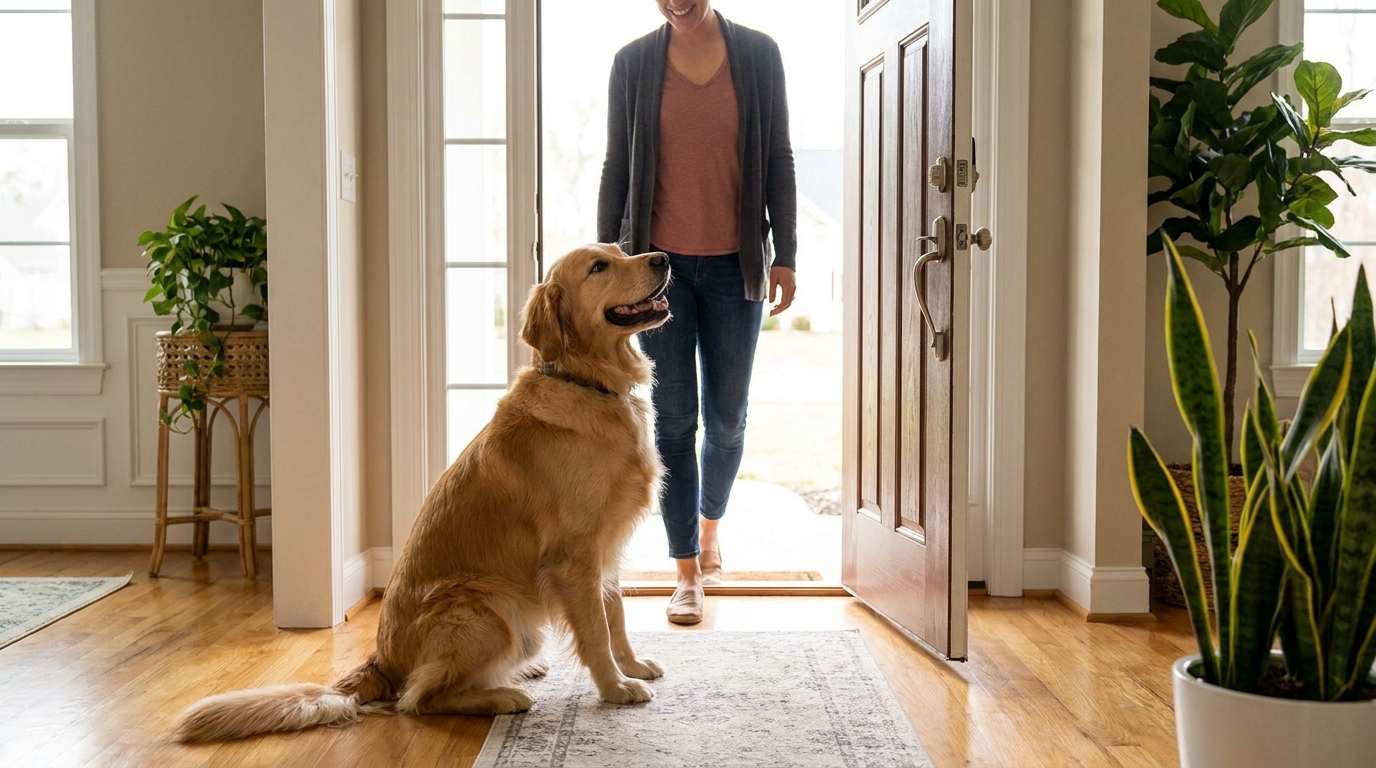
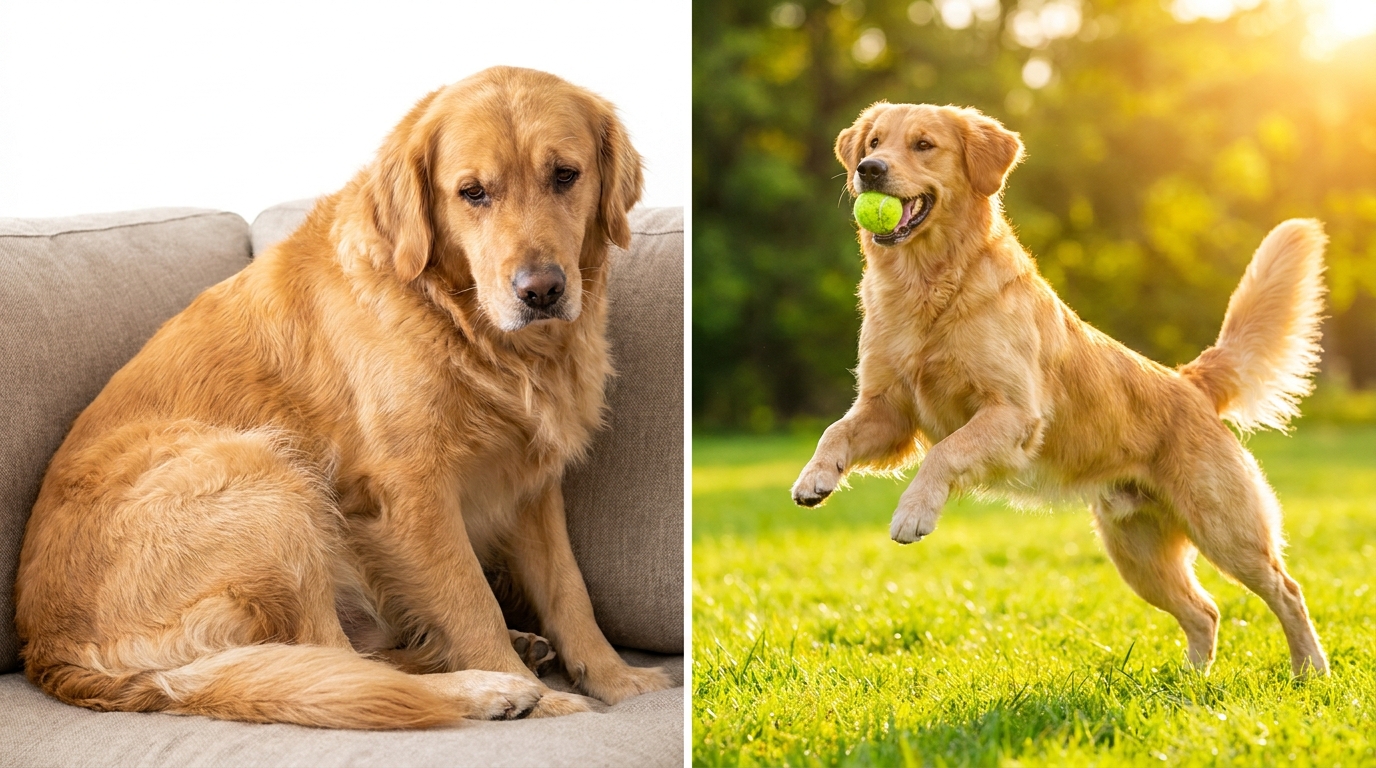
Learning how to stop dog jumping is a vital part of raising a polite and socially confident companion. We’ve all been there: you open the front door after a long day, and before you can even drop your keys, your sixty-pound Golden Retriever is launching themselves at your chest. While this is a sign of affection and excitement, it can be dangerous for children, elderly guests, or even yourself if you’re caught off balance. As a professional who handles dogs daily, I can tell you that a dog that understands “Four on the Floor” is much more welcome in public spaces and social gatherings.
At Pompets, we treat jumping not as a “naughty” behavior, but as a “misguided” greeting. Dogs jump because they want to get closer to our faces—it’s how they naturally greet one another in the canine world. In this 1,200-word deep-dive, we are going to explore the 10 most effective strategies to redirect that vertical energy into a polite, seated greeting that makes everyone feel safe and respected.
1. The “Total Ignorance” Strategy: Removing the Reward
The first rule in how to stop dog jumping is understanding what reinforces the behavior. To a dog, any attention is good attention. If you push them off, shout “No!”, or grab their paws, you are giving them exactly what they want: physical and verbal engagement. You are essentially “wrestling” with them, which only increases their excitement level.
The solution is to become a “Statue.” When your dog jumps, immediately cross your arms, turn your back, and look at the ceiling. Do not speak or make eye contact. By completely removing your social presence, you are teaching the dog that “Jumping makes my human disappear.” Only when all four paws are back on the ground do you turn around and offer a calm “Good dog.”
2. The “Four on the Floor” Command
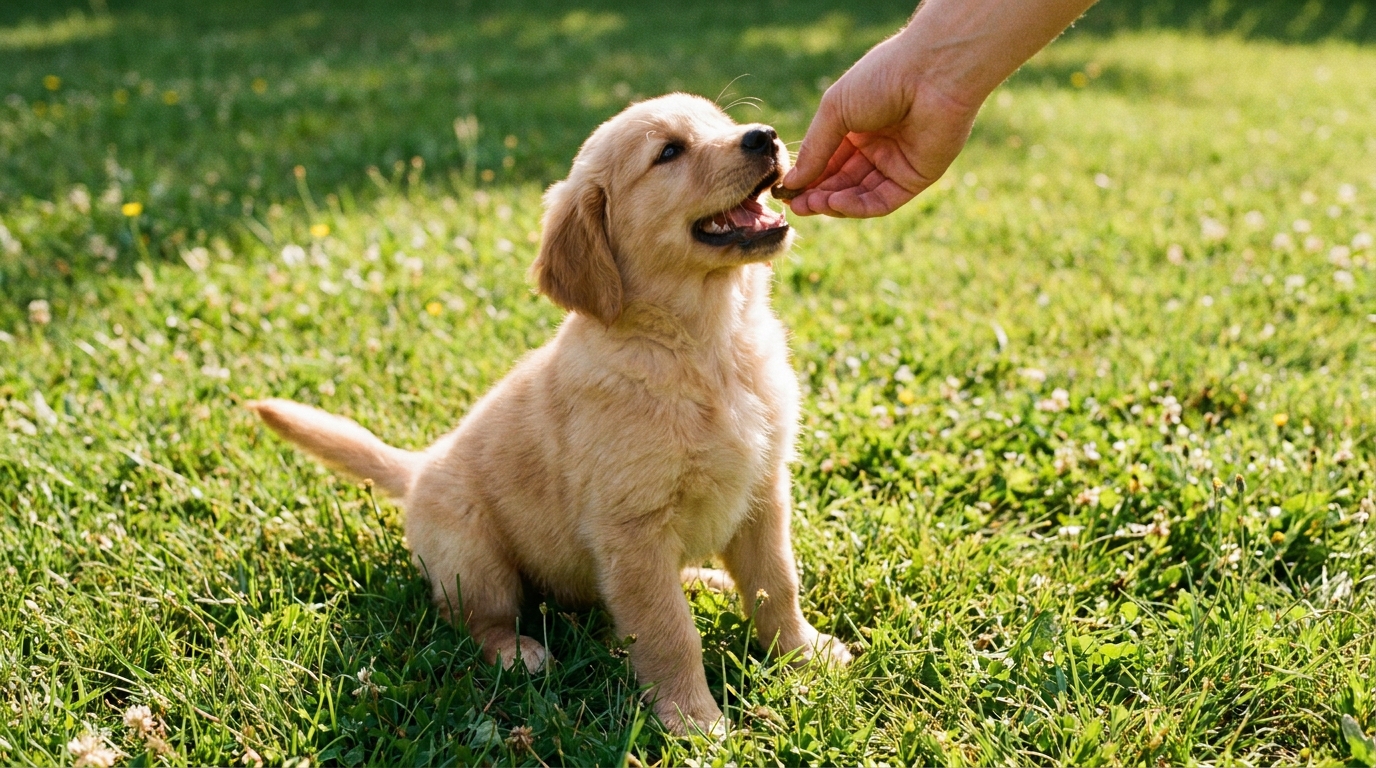
To master how to stop dog barking or jumping, you must give the dog an alternative behavior that is more rewarding. We call this “Four on the Floor.” The goal is to catch the dog *before* they launch. If you see your dog approaching with that “I’m about to jump” look in their eye, immediately toss a handful of small treats on the floor.
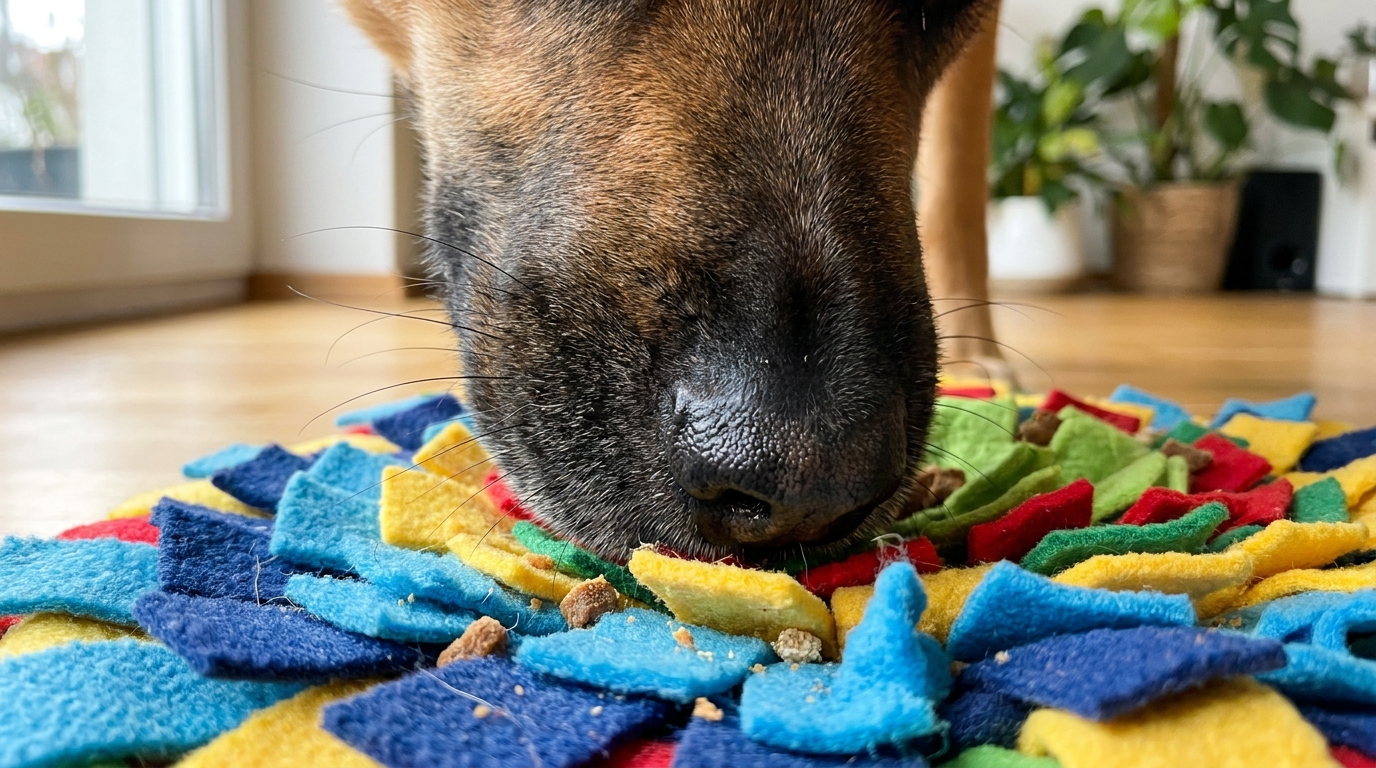
This shifts their focus from your chest to the ground. While they are busy sniffing out the treats, their brain moves from a high-arousal state to a focused, calm state. Over time, they begin to associate greetings with looking at the floor for rewards rather than looking at your shoulders. This “Proactive Redirection” is the fastest way to break a long-standing jumping habit.
3. Teaching the “Incompatible” Behavior: The Sit-Stay
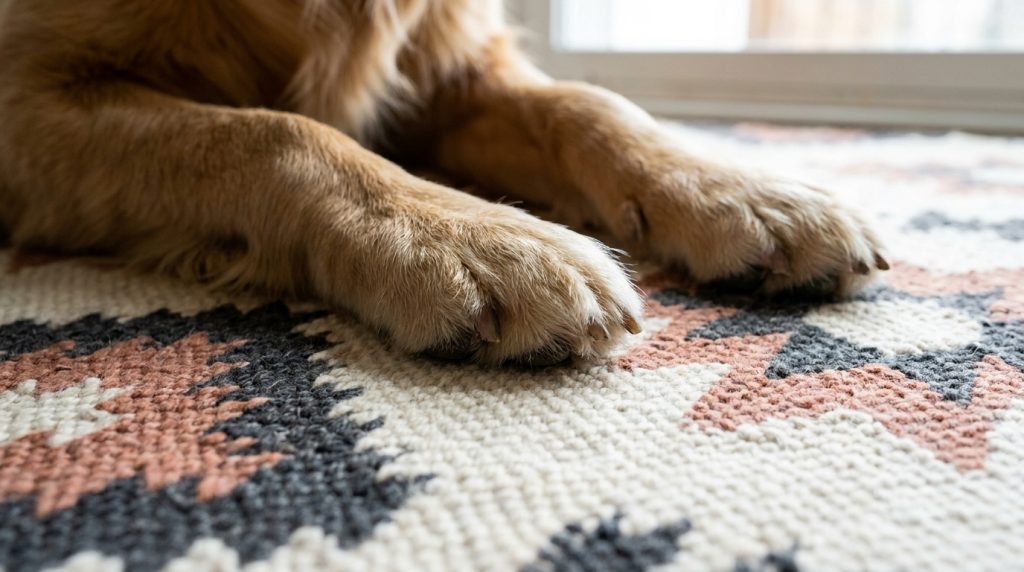
Physics is on your side when learning how to stop dog jumping. A dog cannot sit and jump at the same time; these are physically incompatible behaviors. By strengthening your dog’s “Sit-Stay” command, you provide them with a default “Job” to do when someone enters the home. A dog that is focused on maintaining a solid sit is a dog that isn’t knocking over your grandmother.
Implementing the “Greeting Station”
Place a specific rug or “place mat” near the entryway. Train your dog that when the doorbell rings, they must go to their mat and sit. This gives them a clear boundary and a safe “Station” to wait in. Only when they are calm and seated do you allow the guest to approach and pet them. This puts you in control of the social interaction from the very beginning.
4. Managing the Environment with Leash Control
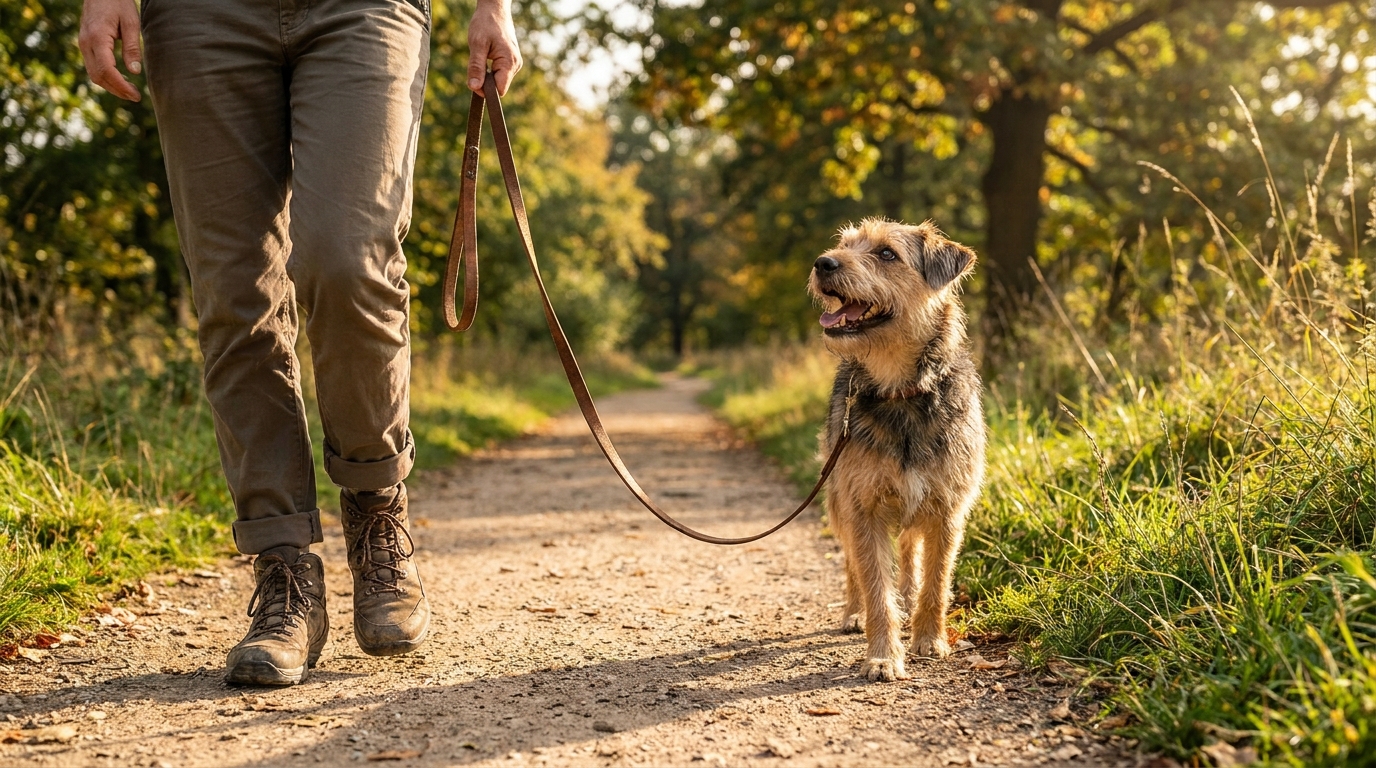
If you have a particularly persistent jumper, you may need a mechanical advantage while they are still learning how to stop dog jumping. Keep a “house leash” (a short, lightweight leash with the handle cut off) on your dog when guests are expected. When the guest arrives, you can gently step on the leash to prevent the dog from being able to jump up.
This isn’t about “yanking” the dog; it simply creates a physical limit that the dog cannot bypass. When they realize they can’t reach the guest’s face, they will naturally settle into a stand or a sit. The moment they settle, the guest can offer a treat. This creates a safe “Buffer Zone” where everyone can stay clean and calm during the training phase.
5. Greeting at Dog Level: The “Low-Hands” Rule
Sometimes, we accidentally encourage jumping by holding our hands high or waving them around during a greeting. To help with how to stop dog jumping, guests should be instructed to keep their hands low, down at the dog’s chest level. If a guest bends slightly to pet the dog under the chin, the dog feels less of a need to launch upward to reach the human’s hands.
This “Low-Touch” approach keeps the dog’s center of gravity stable. Encourage guests to pet the dog’s chest or sides rather than the top of the head, as many dogs find “over-the-head” reaching to be a trigger for excitement or even slight anxiety. This keeps the interaction grounded—literally.
6. Groomer’s Tip: The Danger of Scratching Nails
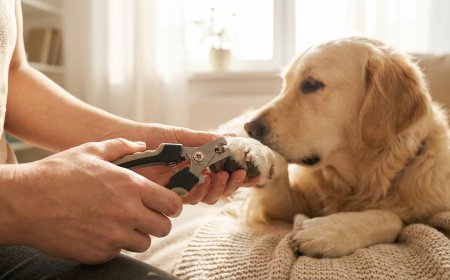
In the grooming salon, jumping isn’t just a manners issue; it’s a safety issue. Long, sharp nails can cause painful scratches on human skin during a jump. While you are working on how to stop dog jumping, ensure you are keeping up with your dog’s nail trims. If their nails are clicking on the floor, they are too long.
Regular filing or dremeling of the nails makes the inevitable “accidental” jump much less damaging. For more on maintaining your pet’s physical comfort during these high-energy training phases, check our guides on Puppy Care and Senior Dog Maintenance, as paw health is the foundation of all movement.
7. Handling the “Off” vs. “Down” Confusion
Consistency in vocabulary is key when learning how to stop dog jumping. Many owners shout “Down!” when a dog jumps, but “Down” should be reserved for “Lie down on the floor.” Using the same word for two different actions confuses the dog. Instead, use the word “Off” to mean “Get your paws off of me or the furniture.”
When to Consult a Professional
If your dog’s jumping is so forceful that it’s causing injury, or if it’s accompanied by nipping (which we covered in our guide on How to Stop Puppy Biting), it’s time to call in a professional trainer. For more advanced behavioral protocols and local training benchmarks, the AKC Training Resource Center is an invaluable tool for every pet parent.
Conclusion: The Polite Greeting
Teaching how to stop dog jumping is an act of love. It allows your dog to be a part of more social situations because they are a joy to be around, not a physical hazard. It takes hundreds of repetitions and a lot of “ignoring,” but the day your dog greets a guest with a calm, seated wag is a day you’ll know your hard work has finally paid off.
Does your dog have ‘springs’ in their paws? Which of these 10 tips helped you the most? Share your story below!