













The Ultimate Raw Feeding for Dogs Guide: Is the BARF Diet Safe in 2026?
Thinking of switching to raw? 🥩 Explore our comprehensive raw feeding for dogs guide. Learn about the BARF diet, meal balancing, and safety tips from expert Rahul Goyal.
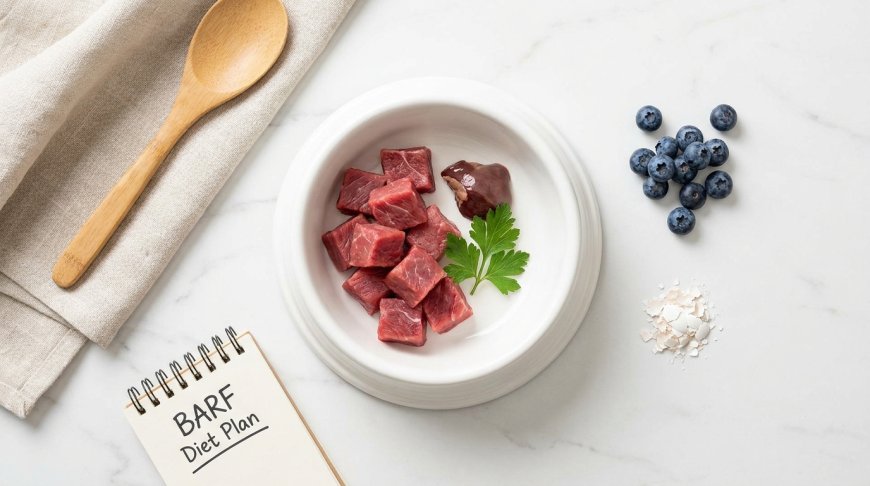
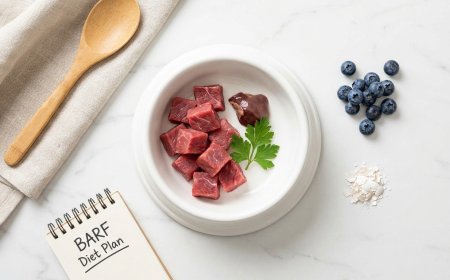
Transitioning to a raw feeding for dogs guide is often described by enthusiasts as "returning to nature." As a specialist with over 10 years of experience, I have seen the dramatic changes a Biologically Appropriate Raw Food (BARF) diet can have on a dog’s energy, coat luster, and dental health. However, it is not as simple as throwing a raw steak in a bowl. Without the correct balance of bone, organ, and muscle meat, you risk severe nutritional deficiencies.
In this 1,200-word deep dive, we break down the metabolic science behind raw feeding, the safety protocols necessary for a Vadodara household, and how to ensure your pet thrives on a "prey-model" diet.
- The 80-10-10 Rule of Raw Feeding
- Bacteria Safety & Hygiene Protocols
- Cost Breakdown: DIY vs. Commercial Raw
- The 7-Day Transition Plan
1. Understanding the 80-10-10 Rule
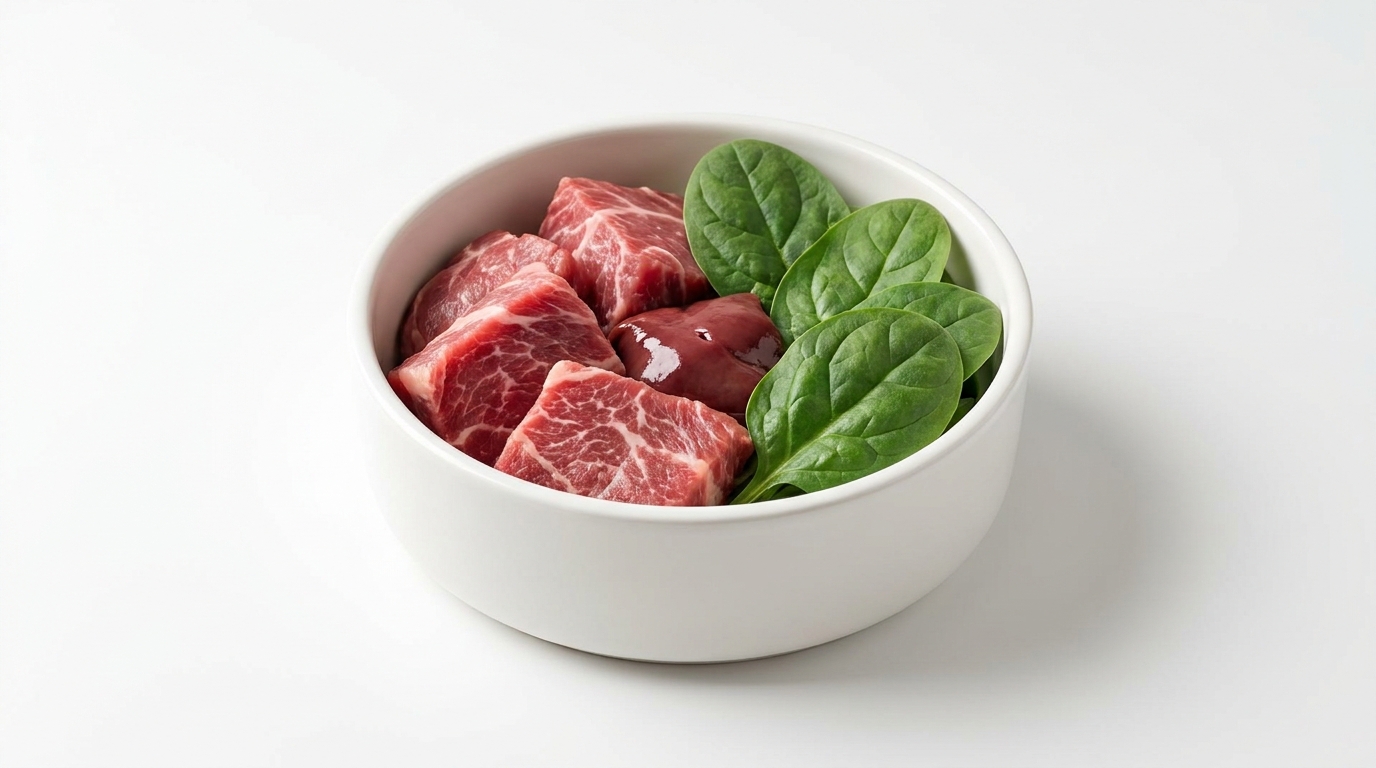
The foundation of any raw feeding for dogs guide is the "Prey Model" or 80-10-10 ratio. This mimics the composition of a wild animal:
- 80% Muscle Meat: The primary source of protein and calories.
- 10% Edible Bone: Provides essential calcium and phosphorus.
- 5% Liver: A potent multivitamin source.
- 5% Other Secreting Organs: Kidney, spleen, or pancreas for trace minerals.
At Pompets, we emphasize that balance happens over time, not necessarily in every single meal. However, for beginners, sticking to these percentages is the safest way to avoid the skeletal issues often seen in poorly managed raw diets.
2. The Dental and Aesthetic Benefits
One of the most immediate changes you will notice is the "Groomer’s Glow". Because raw diets lack the starches and sugars found in kibble, plaque buildup is significantly reduced. In my 10+ years of working with different breeds, raw-fed dogs consistently present with cleaner teeth and less "doggy breath." Furthermore, the high moisture content in raw meat supports skin elasticity, which is vital for the Grooming & Aesthetics we prioritize here.
3. Safety and Pathogen Control
A common concern in any raw feeding for dogs guide is Salmonella or E. coli. While dogs have highly acidic stomachs designed to handle bacteria, the humans in the house do not.
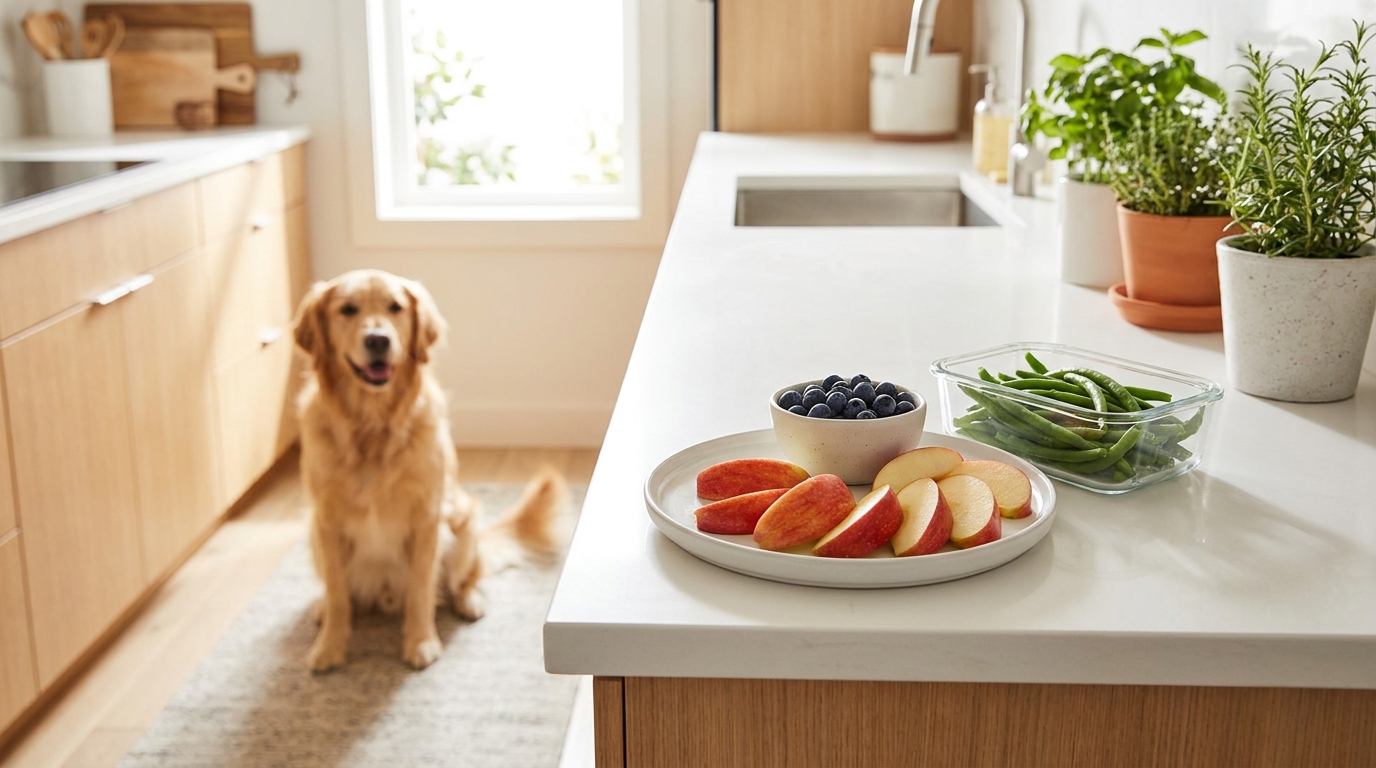
- Dedicated Prep Area: Use stainless steel bowls and glass storage containers.
- Flash Freezing: Freeze all raw meat for at least 3 weeks to kill parasites.
- Source Quality: Avoid "pet grade" meats; always use human-grade cuts.
4. Supplements: Filling the Gaps
Even a perfect 80-10-10 diet can lack Vitamin E, Kelp, or Manganese. Adding a high-quality base mix or specialized supplements from Amazon India ensures that your dog is getting a complete nutritional profile. Refer to our Specialized Diets Category for a list of vetted supplement brands that I personally use for my Golden Retrievers.
Conclusion: Is Raw Right for You?
Raw feeding is a commitment of time and education. It is the gold standard of nutrition when done correctly, but it requires a disciplined approach. If you are ready to see your dog at their peak physical condition, follow this raw feeding for dogs guide to start your journey.