










15 Safe Human Foods for Dogs and Cats: The Ultimate 2026 Guide
Understanding which are the safe human foods for dogs and cats is essential for any pet parent who enjoys sharing a “treat” from their own plate. While those big, pleading eyes are hard to resist, the reality is that many foods sitting in our pantry are perfectly healthy for us but potentially lethal for our companions. As a pet specialist, I often see cases where a well-meaning owner accidentally causes a digestive crisis by sharing a piece of fruit or a seasoned scrap of meat.
At Pompets, we promote a “Safety First” kitchen culture. Sharing food can be a wonderful bonding experience, provided you know the scientific boundaries of your pet’s metabolism. In this 1,200-word comprehensive guide, we will categorize 15 safe human foods for dogs and cats, explain why they are beneficial, and strictly list the “No-Go” items that should never cross your pet’s lips.
1. The “Green Light” Fruits and Vegetables
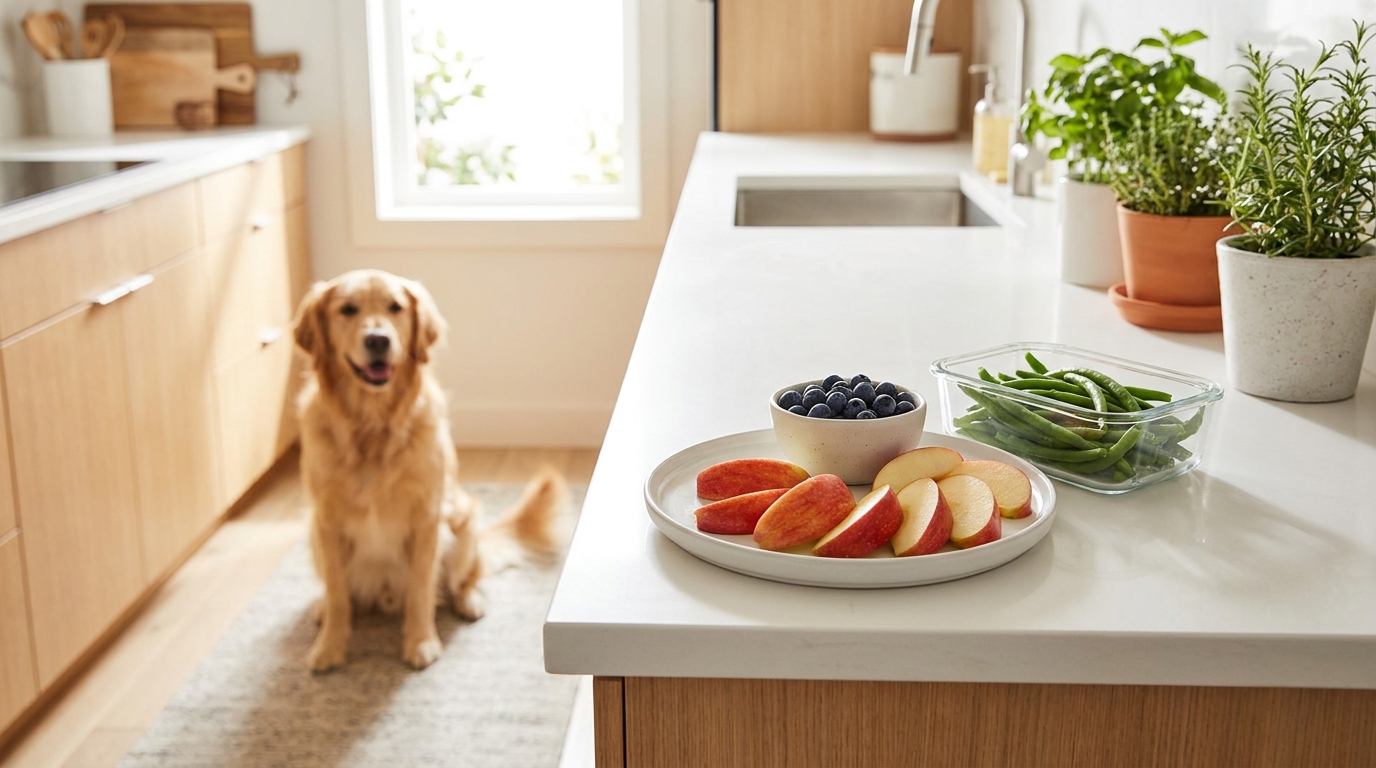
When looking for safe human foods for dogs and cats, the produce aisle is your best friend—with some major exceptions. Apples (without seeds), blueberries, and bananas are fantastic sources of vitamins and fiber. For cats, who are obligate carnivores, fruits are less of a dietary necessity but can serve as a hydrating, low-calorie treat. Blueberries, in particular, are packed with antioxidants that support brain health in senior pets.
Vegetables like steamed broccoli, carrots, and green beans are excellent “fillers” for pets on a weight-loss journey. They provide the “crunch” dogs love without the heavy calories found in commercial biscuits. Always ensure these are served plain, as the salt and butter we add for ourselves can lead to pancreatitis in sensitive breeds like Schnauzers or older Golden Retrievers.
2. Lean Proteins: The Safe Muscle Builders
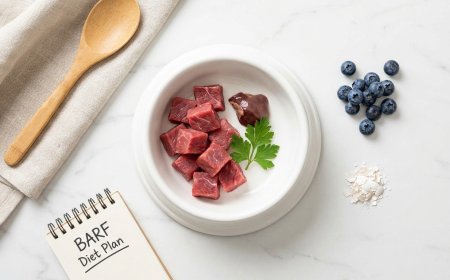
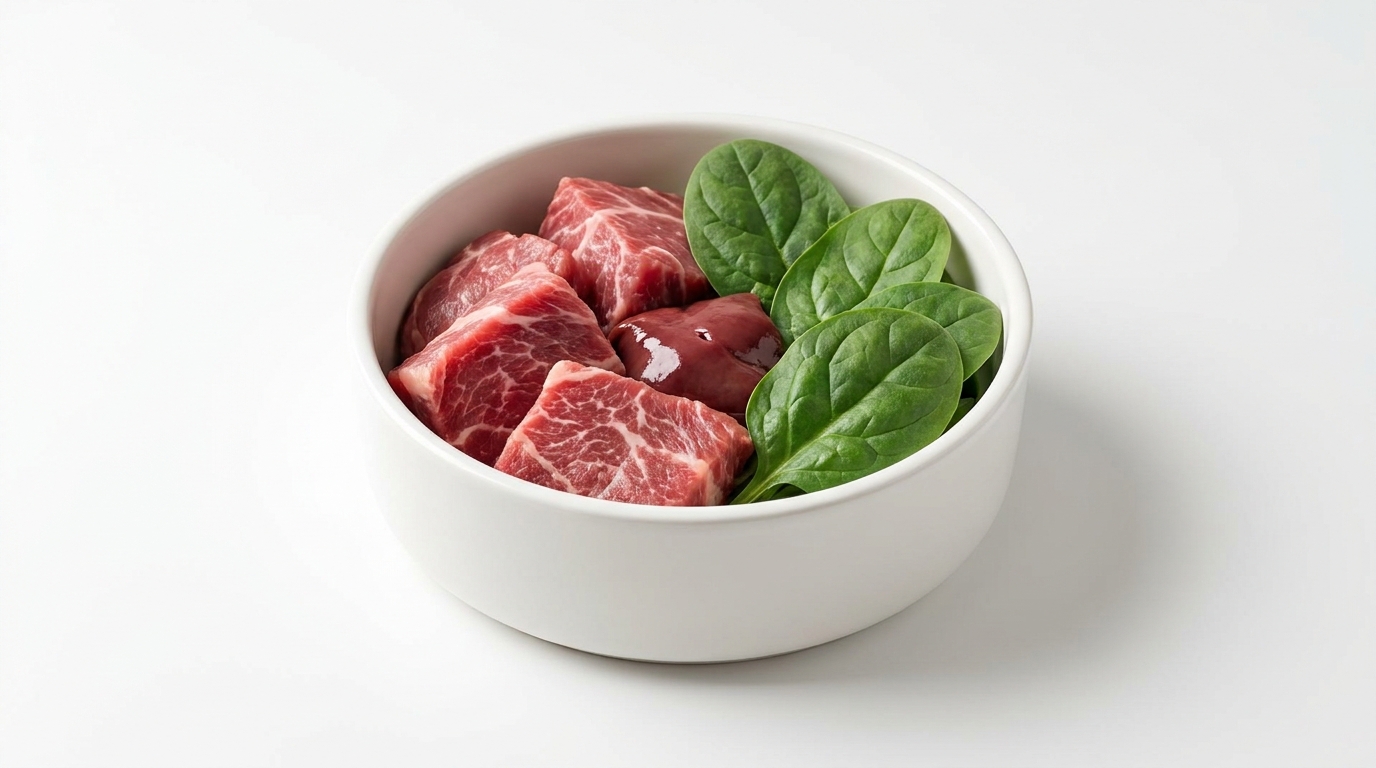
Unseasoned, boiled chicken breast is the gold standard of safe human foods for dogs and cats. It is easy on the stomach and provides high-quality protein. Similarly, plain turkey and lean beef are great additions to a bowl. For cats, small amounts of cooked fish (like salmon or sardines in water) provide essential Omega-3 fatty acids that support heart and kidney health, as we discussed in our Feline Kidney Care guide.
The Danger of Seasonings and Aromatics
The protein itself is rarely the problem; it’s the preparation. Onions, garlic, and chives are highly toxic to both dogs and cats, causing oxidative damage to red blood cells. Even a small amount of garlic powder on a piece of chicken can be dangerous. Always “cook separate” if you plan on sharing your protein with your pet.
3. Grains and Starches: Energy in Moderation
Plain white or brown rice is among the most safe human foods for dogs and cats, especially when they have an upset stomach. It is highly digestible and helps bind the stool. Oatmeal is another great fiber source, particularly for dogs with irregular bowel movements. However, avoid any flavored or “instant” packets that contain artificial sweeteners like Xylitol, which is a deadly toxin.
Sweet potatoes and pumpkin (pureed, not pie filling) are “superfoods” for pets. They are rich in Beta-Carotene and are often the secret weapon for resolving both constipation and diarrhea. As we mentioned in our Diet for Skin Allergies post, these complex carbs are often much safer for sensitive dogs than corn or wheat.
4. The “Red Light” List: Household Toxins
While we focus on safe human foods for dogs and cats, we must address the “Big Killers.” Grapes and raisins can cause sudden kidney failure in dogs. Chocolate and caffeine contain methylxanthines, which can cause tremors and heart failure. Macadamia nuts can lead to temporary paralysis. Perhaps most dangerous is Xylitol (Birch Sugar), found in sugar-free gum and some peanut butters; even a tiny amount can cause a life-threatening drop in blood sugar.
Alcohol and raw yeast dough are also strictly forbidden. Yeast dough can rise inside the stomach, causing painful bloating and alcohol poisoning as the yeast ferments. If your pet ingests any of these, contact a veterinarian immediately. Speed is the most important factor in surviving a toxic ingestion.
5. Dairy: A Case-by-Case Basis
Is cheese one of the safe human foods for dogs and cats? The answer is: maybe. Many adult pets are lactose intolerant. While a small cube of cheddar is a great “pill hider,” large amounts of dairy can cause gas, bloating, and diarrhea. Plain Greek yogurt is a better choice as the active cultures can actually support gut health, but only in small quantities.
Avoid “soft” cheeses and anything with added herbs or spices. For cats, the “saucer of milk” is a myth that usually ends in a stomach ache. If you want to give your cat a treat, a tiny bit of plain, hard cheese is much safer than a bowl of cream.
6. Groomer’s Tip: Food and the “Glow”
I can always tell when a pet is getting high-quality “human grade” additions to their diet. Blueberries and eggs (cooked) provide biotin and sulfur, which are the building blocks of a shiny coat. As noted in our Senior Dog Health Guide, these fresh additions can stimulate the appetite of a finicky older pet who has lost interest in standard kibble.
However, be careful with “table scraps” that are high in fat. Fat trimmings from a steak can trigger acute pancreatitis, especially in smaller dogs. Keep the “human additions” to less than 10% of their total daily caloric intake to prevent obesity and ensure they are still getting their balanced nutrients from their primary food.
7. Emergency Steps for Toxic Ingestion
Even if you only try to provide safe human foods for dogs and cats, accidents happen. If your dog eats chocolate or your cat nibbles on a lily (highly toxic!), do not wait for symptoms. Keep the number of the Animal Poison Control Center or your local 24-hour vet saved in your phone. For a full list of toxic substances, the ASPCA Poison Control Database is the gold standard for pet safety.
Conclusion: Sharing Safely
Integrating safe human foods for dogs and cats into their routine is a great way to add variety and nutrition. By sticking to the “Green Light” list and being vigilant about hidden toxins, you can turn mealtime into a safe, joyful experience for everyone in the family. Remember: when in doubt, leave it out!
What is your pet’s favorite ‘human’ snack? Do they go crazy for carrots or bananas? Let us know in the comments!