





10 Life-Saving Tips: How to Help Your Dog Lose Weight Safely 2026
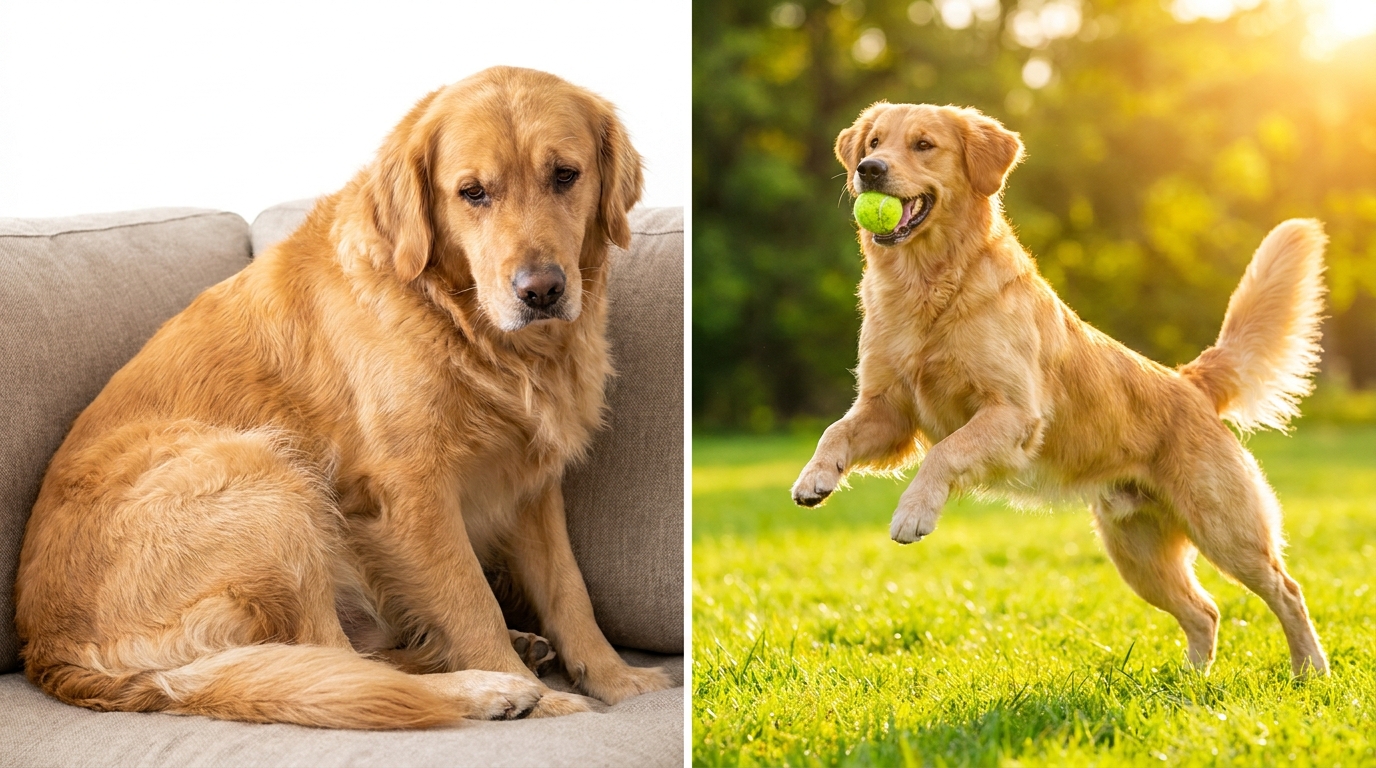
Learning how to help your dog lose weight is one of the kindest things you can do for their longevity. It is estimated that over 50% of the pet population is overweight or obese, a condition that shaves years off their lives and leads to chronic pain. As a professional who spends hours every week feeling the ribs and frames of different breeds, I can tell you that even two or three extra pounds on a small dog is equivalent to a human carrying an extra thirty. It strains the joints, the heart, and the spirit.
At Pompets, we view weight management as a marathon, not a sprint. A dog that is overweight is at a significantly higher risk for diabetes, heart disease, and various forms of cancer. In this 1,200-word comprehensive guide, we will explore 10 scientific strategies on how to help your dog lose weight without sacrificing their happiness or energy levels.
1. Assessing the Body Condition Score (BCS)
Before you can begin the journey of how to help your dog lose weight, you must accurately assess where they stand. We use the Body Condition Score (BCS), typically on a scale of 1 to 9. A “perfect” 5 means you can easily feel the ribs without pressing hard, and the dog has a visible “waist” when viewed from above. If your dog looks like a cylinder or a lightbulb from above, they are likely in the 7-9 range and need immediate intervention.
Don’t rely solely on the scale. Different breeds have different bone densities. A Golden Retriever might be “heavy” but fit, while a Beagle might be “light” but obese for their frame. Use your hands to feel for the “knuckle test”—if the ribs feel like the back of your hand when you make a fist, they are too thin; if they feel like your palm, they are too fat. The goal is the knuckles.
2. The Math of Weight Loss: Calories in vs. Calories Out
The foundation of how to help your dog lose weight is metabolic math. Most owners follow the “suggested serving size” on the back of the bag, which is often significantly higher than what a sedentary pet actually needs. You must calculate the Resting Energy Requirement (RER) and then adjust for their activity level. For a dog to lose weight, they need to consume roughly 80% of the calories required to maintain their *target* weight, not their current weight.
Measuring with Precision: Use a Scale, Not a Cup
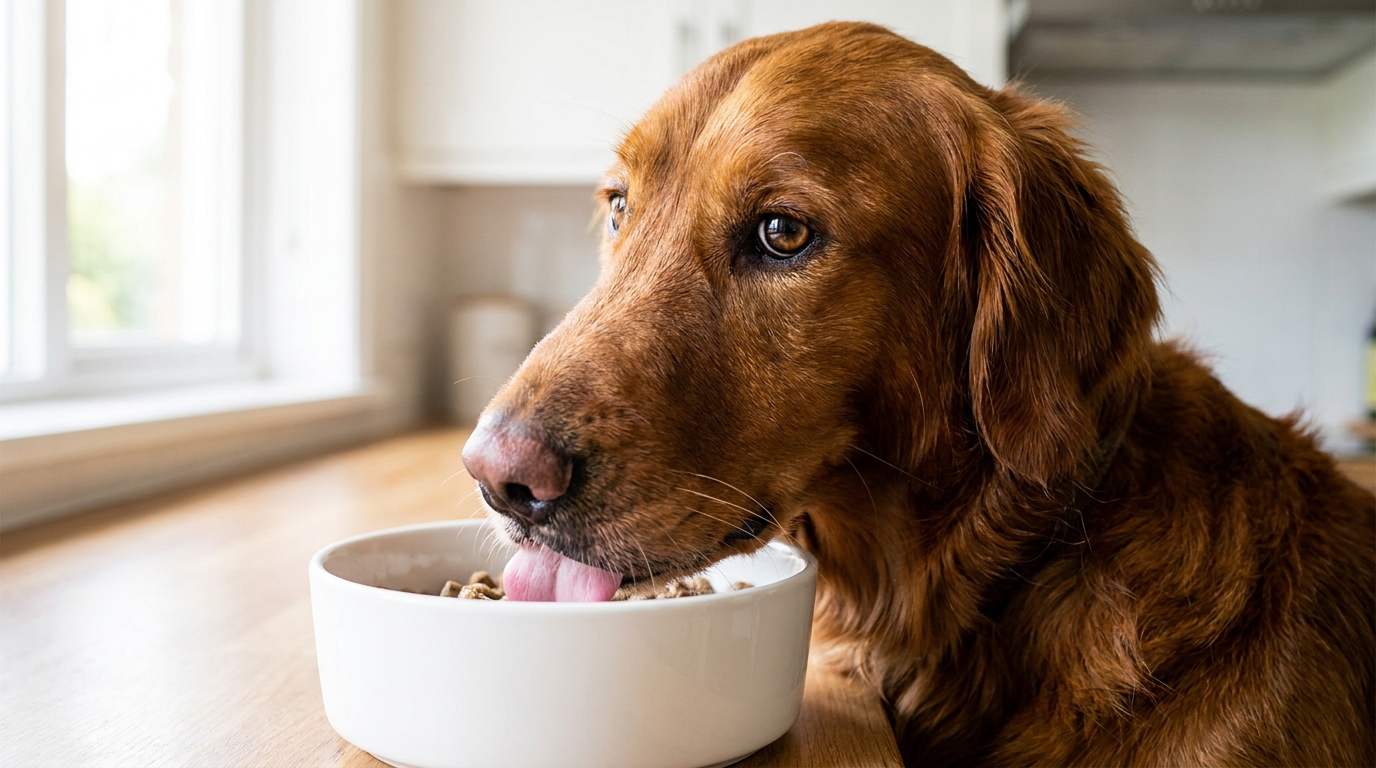
A “cup” is an imprecise measurement. Depending on how you scoop, you could be overfeeding by 20% every single meal. To be successful, switch to weighing your dog’s food in grams. This ensures absolute consistency. Small changes in daily caloric intake lead to massive results over a three-month period. Precision is the enemy of obesity.
3. Switching to High-Fiber, Low-Calorie Fillers
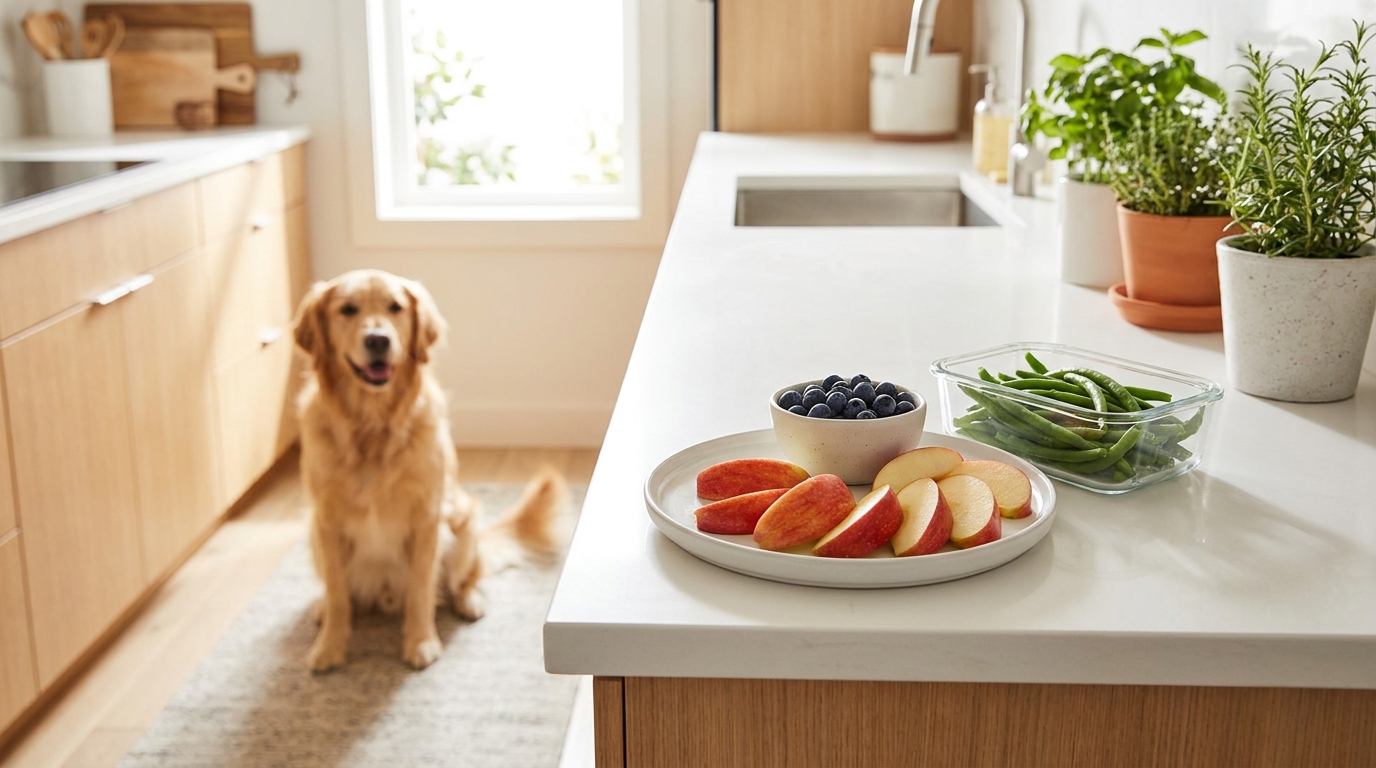
One of the hardest parts of how to help your dog lose weight is dealing with “begging.” If you simply cut their food in half, they will be hungry and frustrated. The solution is to replace a portion of their kibble with low-calorie, high-fiber “bulkers.” Green beans, canned pumpkin (plain), and steamed broccoli are excellent choices. These help the dog feel “full” while significantly lowering the total caloric density of the meal.
This approach mirrors the advice in our Safe Human Foods Guide, where we highlight vegetables as the ultimate healthy snack. By “volumizing” the meal with fiber, you maintain the ritual of a full bowl without the metabolic cost of excess carbohydrates and fats.
4. Eliminating the “Hidden Calories” in Treats
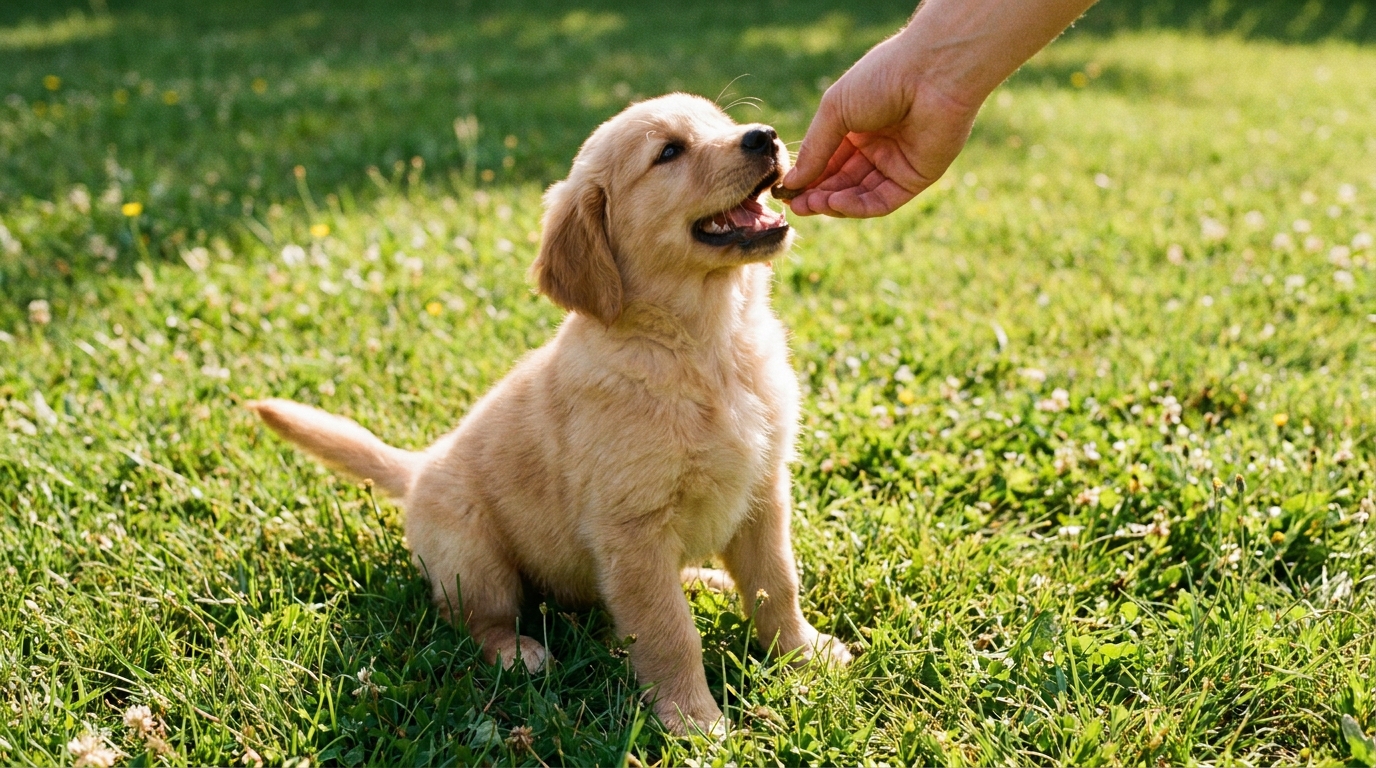
You cannot master how to help your dog lose weight if you are still giving them high-fat commercial treats or “just a little bit” of your toast. Treats should never exceed 10% of a dog’s daily calories. Many owners are shocked to learn that one “pig ear” can contain as many calories as a whole meal. If you are training, as we discussed in our Training & Behavior section, use pieces of their own kibble or tiny bits of apple as rewards instead of calorie-dense biscuits.
Inform everyone in the family (and the neighbors!) that the dog is on a strict plan. Obesity is often a “group effort,” and it takes a group effort to reverse it. If Grandma is sneaking pieces of cheese under the table, your weight loss plan will fail. Consistency across all humans is mandatory for pet health.
5. Low-Impact Exercise for Joint Safety
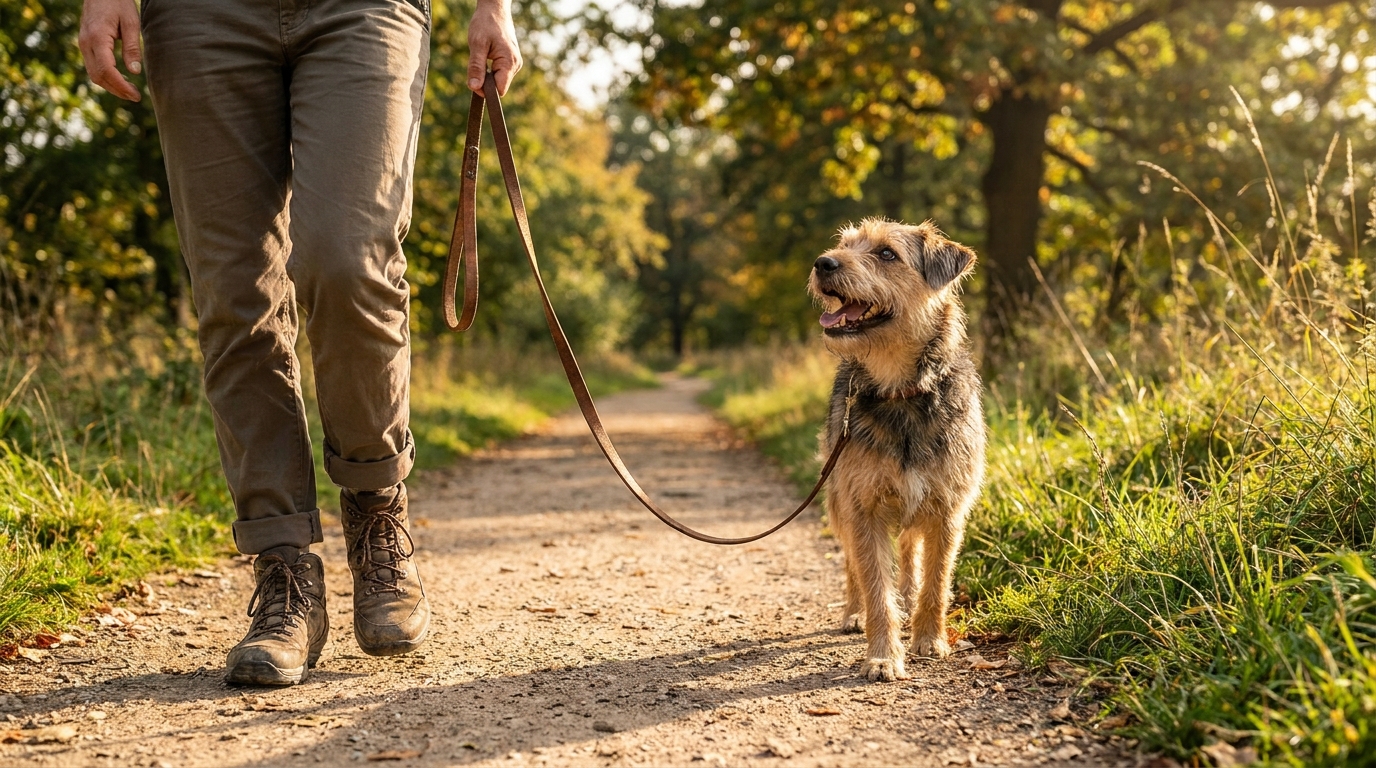
When considering how to help your dog lose weight, you must be careful not to cause injury. An obese dog has significantly more stress on their ligaments. Starting with a 5-mile run is a recipe for a torn ACL. Instead, start with multiple short, brisk walks—10 to 15 minutes, three times a day. As the weight comes off, you can increase the intensity.
For senior dogs, as noted in our Senior Health Guide, swimming is the gold standard for weight loss. It provides excellent cardiovascular work without any impact on the joints. If you live near a pet-safe beach or a canine hydrotherapy center, this can accelerate the weight loss while soothing the inflammation associated with extra weight.
6. Groomer’s Insight: Skin Folds and Hygiene
Obese dogs often struggle with “Skin Fold Dermatitis.” The extra weight creates deep crevices where moisture and bacteria thrive. In the salon, I often find hidden infections in these areas. While you work on how to help your dog lose weight, you must be extra vigilant about cleaning these folds. Refer to our guide on Diet for Skin Allergies to ensure you aren’t dealing with a food-based flare-up simultaneously.
Keeping the coat short and clean during the weight loss journey allows the skin to breathe and makes it easier for you to track the changing body shape. As the “rolls” disappear, the skin will become healthier and the dog’s natural “glow” will return.
7. Monthly Weigh-Ins and Adjustments
A successful plan for how to help your dog lose weight requires tracking. Weigh your dog once every two weeks. A safe rate of weight loss is 1% to 2% of their total body weight per week. If they aren’t losing, you need to cut another 5-10% of their calories. If they are losing too fast, they may lose muscle mass, so you should slightly increase their intake.
For more technical tools, such as calorie calculators and breed-specific weight charts, the Association for Pet Obesity Prevention is an incredible resource. They provide the latest medical data to help you stay on track. Remember: you are not “starving” your dog; you are saving them from a life of limited mobility and chronic pain.
Conclusion: The Prize of a Lean Life
Every pound lost on the journey of how to help your dog lose weight is a victory. You will notice it first in their eyes—they will be brighter. Then you will notice it in their walk—the “waddle” will become a stride. Finally, you will notice it in their life—they will play longer and sleep better. It is a gift of time that you are giving to your best friend, and there is no better reward than that.
Is your pet on a ‘fitness journey’? What’s your secret for stopping the begging? Share your success stories below!