




The Professional Guide to Clean Dog Teeth at Home: 11 Steps to Kill Bad Breath & Prevent Decay
Stop the "dog breath" for good. Our professional groomer's guide reveals 11 secrets to clean dog teeth at home, prevent tartar buildup, and save on expensive vet bills.
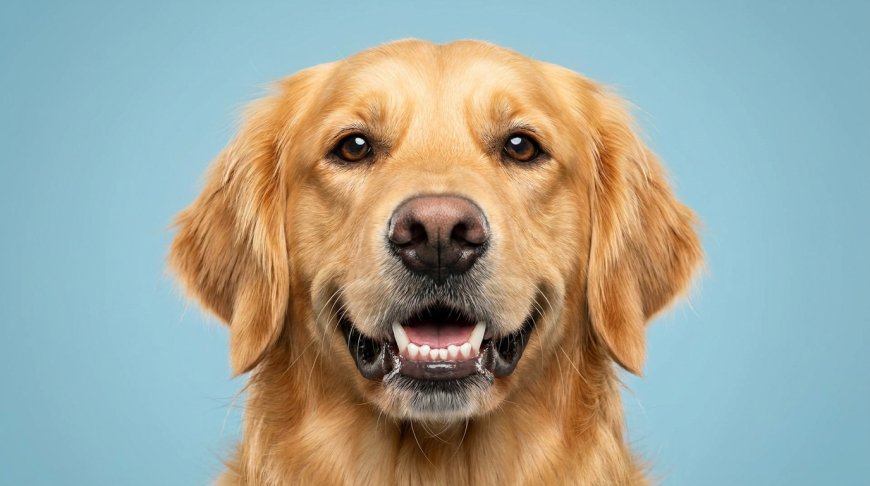
It's a smell you never forget. It starts as a faint, metallic whiff when your dog yawns, and before you know it, it's a full-blown "rotting fish" odor that seems to cling to every fabric in your house. I've had clients come into my salon literally holding their breath as they hand over their Labrador or Poodle. "I love him, but I can't stand the smell!" they say. As a professional groomer with over a decade of experience, I know that "dog breath" isn't just an annoyance - it's a warning sign of dental decay that can lead to heart disease, kidney failure, and thousands in vet bills.
In my salon, I've seen dogs with teeth so encrusted in tartar that they looked like smooth river stones. It's heartbreaking because most of this is preventable. If you want to clean dog teeth at home, you need more than just a toothbrush; you need a strategy. This guide will walk you through the exact 11-step process I use to keep my own dogs' pearly whites shining and their breath fresh.
Why Dog Breath is a Medical Emergency
Most pet owners think bad breath is just a "dog thing." It's not. In the wild, dogs' teeth are cleaned by the mechanical action of tearing meat and crunching on bone. Our modern kibble-fed companions don't get that same benefit. When bacteria sit on the teeth, they form plaque. Within 48 hours, that plaque hardens into tartar (calculus). Once it's tartar, a toothbrush won't touch it. You're then looking at a professional veterinary cleaning under anesthesia.
Groomer Secret: If you see a red line along the gums where they meet the teeth, that's gingivitis. It's painful! Imagine walking around with a constant toothache. That's what many dogs endure every day.
Understanding the difference between your dog's mouth and yours is the first step. For example, did you know that a dog's mouth has a much higher pH than a human's? This is why they are so prone to tartar buildup.
| Feature | Human Mouth | Dog Mouth |
|---|---|---|
| pH Level | 6.5 - 7.5 (Neutral/Acidic) | 7.5 - 8.5 (Alkaline) |
| Primary Issue | Cavities (Decay) | Periodontal Disease (Gums) |
| Plaque to Tartar Time | Approx. 2 weeks | Approx. 48 hours |
| Bacteria Type | Sugary/Acid-loving | Alkaline-loving |
As you can see, the alkaline environment in a dog's mouth promotes the rapid mineralization of plaque into tartar. This is why daily intervention is so critical. You are fighting a 48-hour clock.
The 11 Steps to Clean Dog Teeth at Home
1. Assemble Your Professional Toolkit
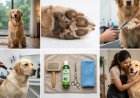
I've noticed that most people fail because they use the wrong tools. Never, ever use human toothpaste. It contains xylitol, which is toxic to dogs and can cause a life-threatening drop in blood sugar. You need a dedicated enzymatic toothpaste for pets. These pastes contain enzymes that break down plaque even if you don't scrub every square inch. You'll also want a dual-headed toothbrush or a finger brush for smaller breeds.
2. Timing is Everything for Dental Health
I always tell my clients to wait until their dog is "worn out." Don't try to clean dog teeth at home right after they've had a nap and are ready to play. Wait until after a long walk or a vigorous play session. A tired dog is a submissive dog, and they'll be much more likely to let you poke around in their mouth if they're looking for a snooze.
3. The "Pinky" Technique (Finger Brushing)
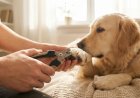
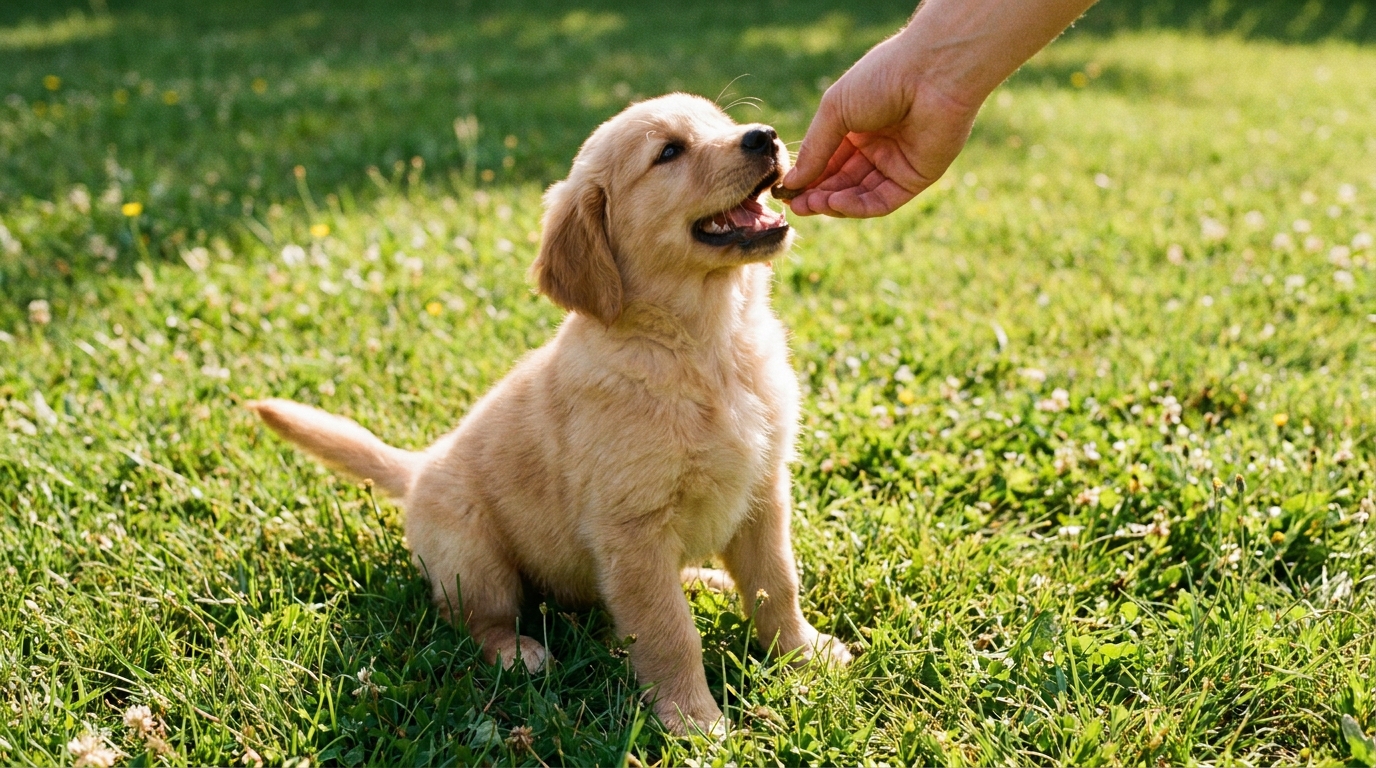
Before you even bring out a brush, use your finger. I spend the first week with a new puppy or a rescue dog just rubbing my finger along their gums. Dip your finger in some chicken broth if you have to! The goal is to get them comfortable with the sensation of having their lips lifted and their gums touched. If they don't trust your finger, they won't trust a plastic stick.
4. Introduce the Enzymatic Paste
Pet toothpaste usually comes in flavors like poultry, beef, or peanut butter. Let your dog lick it off your finger first. Treat it like a reward! In my salon, I use a poultry-flavored paste that dogs actually get excited about. Once they realize the "brushing" involves a delicious treat, half the battle is won. If they enjoy the taste, they'll associate the dental routine with something positive.
5. Mastering the 45-Degree Angle
When you move to the brush, don't just scrub horizontally. Angle the bristles at 45 degrees toward the gum line. This is where the bacteria hide. Focus on the outside of the teeth first. Most dogs won't let you brush the inside (tongue-side) of their teeth initially, and that's okay. Most tartar buildup happens on the outside anyway, near the cheeks where the saliva glands are located.
6. Use Dental Wipes for Quick Maintenance
On days when you're too busy for a full scrub, use dental wipes. These are pre-moistened pads that you wrap around your finger. They are excellent for removing that initial film of plaque before it hardens. I've noticed that for senior dogs who are sensitive to the pressure of a brush, wipes are a much gentler alternative that still provides significant benefits.
7. Leverage Water Additives
Think of water additives as "doggy mouthwash." You simply add a capful to their water bowl. These additives contain ingredients like chlorine dioxide or green tea extract that help kill bacteria in the mouth. It's an effortless way to clean dog teeth at home while you're at work. It helps neutralize the pH and prevents the rapid mineralization we talked about earlier.
8. Choose VOHC Approved Dental Chews
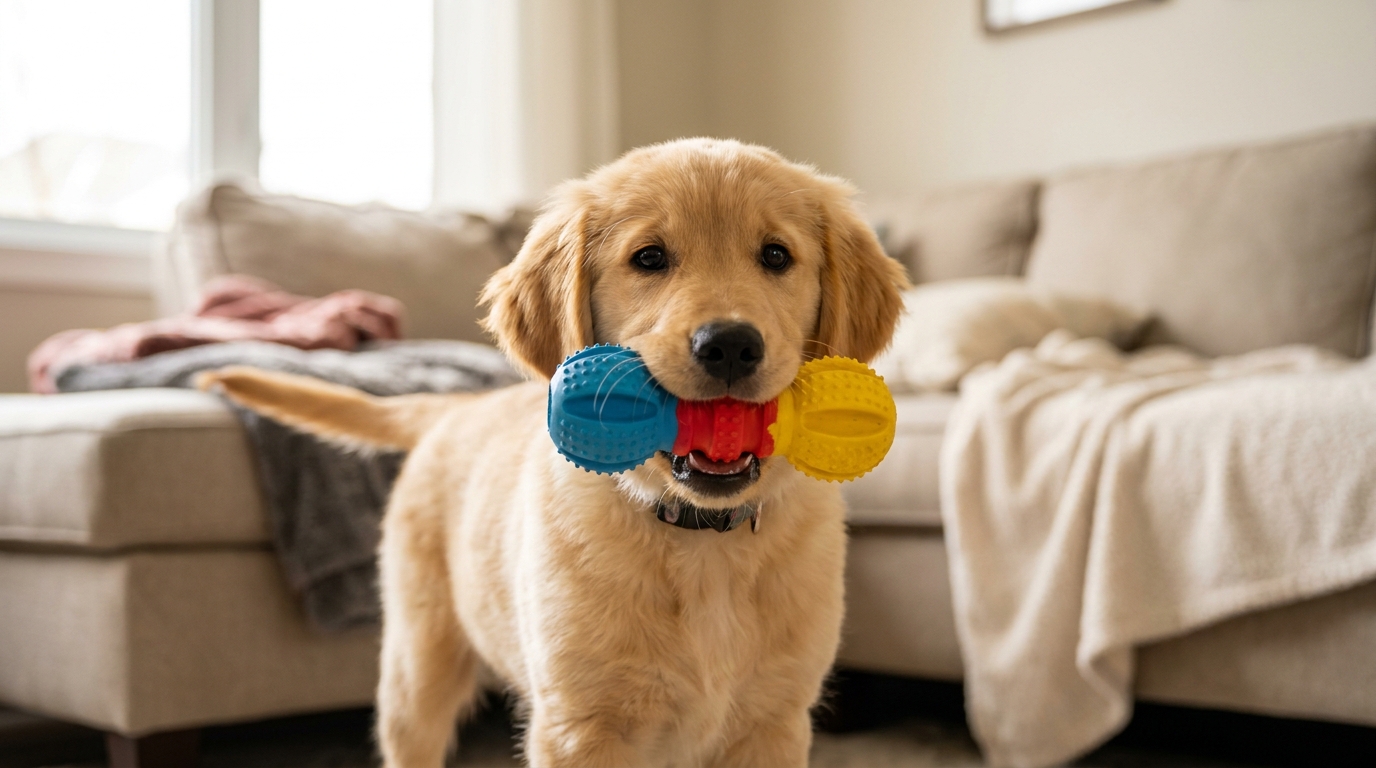
Not all dental chews are created equal. Look for the VOHC (Veterinary Oral Health Council) seal. These products have been scientifically proven to reduce plaque and tartar. In my experience, a daily dental chew can reduce plaque by up to 20%. However, be mindful of the calories! A dental chew is a treat, so adjust their dinner portion accordingly to prevent weight gain.
9. The Power of Raw, Meaty Bones
This is a controversial one, but in my salon, I've seen the "bone-cleaned" difference. Raw (never cooked!) beef marrow bones act like a natural abrasive. As the dog gnaws, the bone scrapes the teeth right down to the gum line. Groomer Secret: Always supervise this. Cooked bones can splinter and cause internal damage, but a raw bone is a powerhouse for dental health if handled correctly.
10. Perform a Weekly "Mouth Audit"
Once a week, do a thorough check. Look for broken teeth, bleeding gums, or any strange lumps. Oral cancer is common in older dogs, and early detection is key. If you notice a "slimy" film that doesn't come off with a wipe, or if your dog pulls away in pain when you touch a specific area, it's time to see the vet. Brushing won't fix a fractured tooth.
11. Consistency is the Secret Sauce
Brushing once a month is useless. You have to be consistent. I recommend at least three times a week, though daily is the gold standard. I've noticed that owners who set a specific time - like right before bed or after the evening meal - are much more likely to stick to the routine. Make it a habit, and it will become just another part of your bond with your dog.
Internal Resources for Pet Parents
Keeping your dog healthy involves more than just their teeth. Check out our other guides on professional grooming at home and how to maintain a shiny coat through nutrition. For more advanced care, you can refer to the American Veterinary Dental College for clinical standards on pet oral health.
Ultimately, learning to clean dog teeth at home is one of the most loving things you can do for your pet. It extends their life, prevents chronic pain, and saves you from the "horror story" of expensive surgeries. Start today, be patient, and remember that every brush stroke is an investment in your dog's future. No more bad breath, no more tartar, just a happy, healthy pup with a smile that says it all.